
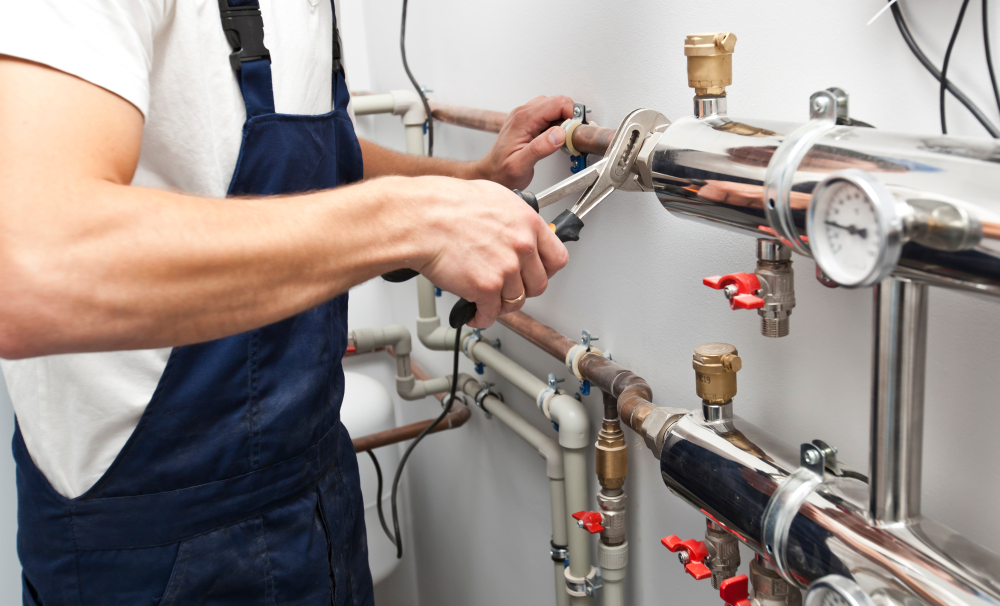
Hot water might be something we take for granted until it is not available. That is when your whole routine gets interrupted. Without a water heater, the shower becomes cold, dishes pile up and laundry waits. A water heater on the verge of breakdown will hardly fix itself. What starts as a minor problem eventually turns to costly and time-consuming home damage which requires longer disruption.
In this article, we aim at helping you understand how home water heaters operate, how to identify signs of trouble, when is the right time to repair and how to get ready for a technician’s visit. The main purpose is straightforward: to assist you to keep control of the situation.
How a Residential Water Heater Works
A home will mostly have either a tank-style water heater or a tankless water heater as one of these two systems.
Tank-style water heaters keep the water hot that is later used from a tap. Gas tank models have a burner. Electric models heat the water by means of heating elements. Both types use thermostats for temperature control and safety valves to let out the pressure.
Tankless units heat water on demand. They use high-powered elements or burners and electronic controls. They save space and reduce standby heat loss. Regular maintenance and precise installation are essential for optimal performance, including water heater repair when needed.
When any component fails, the system loses efficiency or stops working. Knowing the basics helps you understand what a plumber finds and why certain repairs are recommended.
Early Signs of Trouble You Should Not Ignore
Generally, water heaters will give you some warning signs of the problems before totally failing. Most of the faults develop over a long period. So if you pay attention, you will be able to intervene, thus avoiding further damage.
Moreover, the temperature of the water is rarely stable. The supply of hot water is often shorter than usual, or the temperature may vary. A defective thermostat or heating element is probably the cause of that.
What about the sound coming from your water heater? It is likely that the tank has a layer of sediment if the blowing and rumbling noises are heard. Deposits of minerals in the water tank develop into a tough layer over time. Besides making the heater’s work more difficult, the lifespan will also be reduced.
When the water is of a different color, it indicates that there is rust in the tank or pipes. Once it is confirmed that the water from the hot taps is brown, an extremely strong signal of malfunctioning is the system. If it is white, it is either sediment or bacteria.
But you should be very concerned if water is leaking from the bottom of the hot water tank. Even if only a little bit, the most likely situation is that either a valve has a leak or the tank wall is breaking down.
All this indicates that your heater requires some TLC. Once the problem is detected, the fixing should be done without delay.
Common Causes Behind Heater Failure
- Sediment buildup is number one on the list of problems that cause the heater’s performance to drop. Over time, minerals taken in through the water supply are deposited and gradually cover the surface. The whole process results in the appliance heating slower and its internal parts being damaged.
- Heating elements can wear out in electric water heaters. Depending on the extent of use and the quality of the water, the burning out of the heating elements can take place gradually or suddenly.
- Thermostats can become inaccurate. This leads to heating that is either too much or too little. Both situations cause the system to be under stress.
- Anode rods serve to protect the tank from corrosion. When the anode rod is used up, the tank will start to rust. Unfortunately, most people are unaware of this important part and thus, do not replace it even though it is the main reason the tank lasts so long.
- One of the safety devices in the water heater is the pressure relief valve. Sometimes it gets jammed or starts seeping. By neglecting these safety devices, you not only risk the tank but also your life.
Once you are familiar with such scenarios, you will be able to understand well what your service technician is telling you and thus, you will make an informed decision.
When Repair Is the Right Choice
Not every problem calls for a new one. Most problems are single and reparable.
If the appliance is less than 8 years old and the tank is not compromised, then repair is generally a good idea. Changing a thermostat or heating element not only brings back the performance but also keeps the cost down.
A small leak in a fitting or valve can be fixed in no time. Sediment flushing increases the unit’s efficiency while making it quieter.
In the case of tankless water heaters, issues with sensors or accumulation of scale are quite common and can be remedied through proper servicing.
A knowledgeable plumber will check the equipment and tell you what stopped working and why. You should get detailed options and no pressure from the salesperson.
When Replacement Makes More Sense
Age matters. Most tank heaters last eight to twelve years depending on maintenance and water quality. Tankless systems last longer but still wear out.
If the tank is leaking from the body itself, replacement is the only option. Internal corrosion cannot be reversed.
Repeated repairs within a short period suggest broader system failure. At that point, costs add up without long-term reliability.
Changes in household demand also matter. A growing family may outpace an older unit’s capacity. Replacement allows you to right-size the system.
In these cases, discussing both repair and replacement options gives you clarity. Some homeowners explore Water heater repair replacement through experienced local providers who understand regional water conditions and code requirements.
What to Expect During a Service Visit
You can expect the service visit to begin with a thorough inspection. For instance, the plumber would look over the power or gas supply, temperature settings, valves, and internal components.
They should be able to give you a clear explanation of the problem. A good professional refrains from using ambiguous expressions. Whenever feasible, they will show you the broken parts.
If it is a repair, the majority of the parts are changed the same day. In case of a replacement, you will be given a scope of work which details capacity, fuel type, venting, and the disposal of the old unit.
Inquire about the duration of the repair or installation and what alterations, if any, would be necessary to bring the property up to the present code.
Communication that is transparent is a way to keep surprises out of the process.
Choosing the Right Professional
Licensing and experience matter. Water heaters involve fuel gas, electricity, pressure, and water. Mistakes create risk.
Local knowledge helps. Water quality varies by region and affects failure patterns. A plumber familiar with Northern Virginia conditions understands sediment issues and code standards.
One example is Morgan Plumbing LC, which focuses on clear diagnostics and practical repair decisions rather than unnecessary replacement.
When evaluating any provider, look for transparency. You should understand what failed and why. You should also understand what the repair solves and what it does not.
Preparing Your Home Before Service
- Clear access to the unit. Remove stored items and create space to work.
- Note symptoms you observed. When did the issue start? Did it change suddenly or slowly?
- Know the age of the unit if possible. Check the label for the manufacture date.
- If water is leaking, shut off the supply valve to limit damage.
These steps save time and help the repair stay focused.
Extending the Life of Your Water Heater
- Annual flushing reduces sediment. This is especially important in areas with hard water.
- Check the pressure relief valve periodically. It should open and close smoothly.
- Inspect for leaks every few months. Early detection prevents damage.
- For tankless systems, follow descaling schedules based on usage.
- Replacing the anode rod every few years protects the tank. Many homeowners skip this and lose years of service life.
These actions reduce the chance of emergency calls and extend performance.
Why Timing Matters
Delaying service increases risk. Small leaks become water damage. Overheating stresses components. Sediment buildup accelerates corrosion.
Scheduling Water heater repair when symptoms first appear keeps costs lower and options open.
If you are in Northern Virginia, working with a local plumber who understands your water supply and housing stock improves outcomes. Many homeowners begin by reviewing service details at plumbernorthernva.com using the anchor text Water heater repair to understand available options.
Clear decisions come from clear information. When you know how your system works and what signs matter, you stay ahead of failure instead of reacting to it.
Hot water should support your day, not disrupt it. Taking early action keeps it that way.