
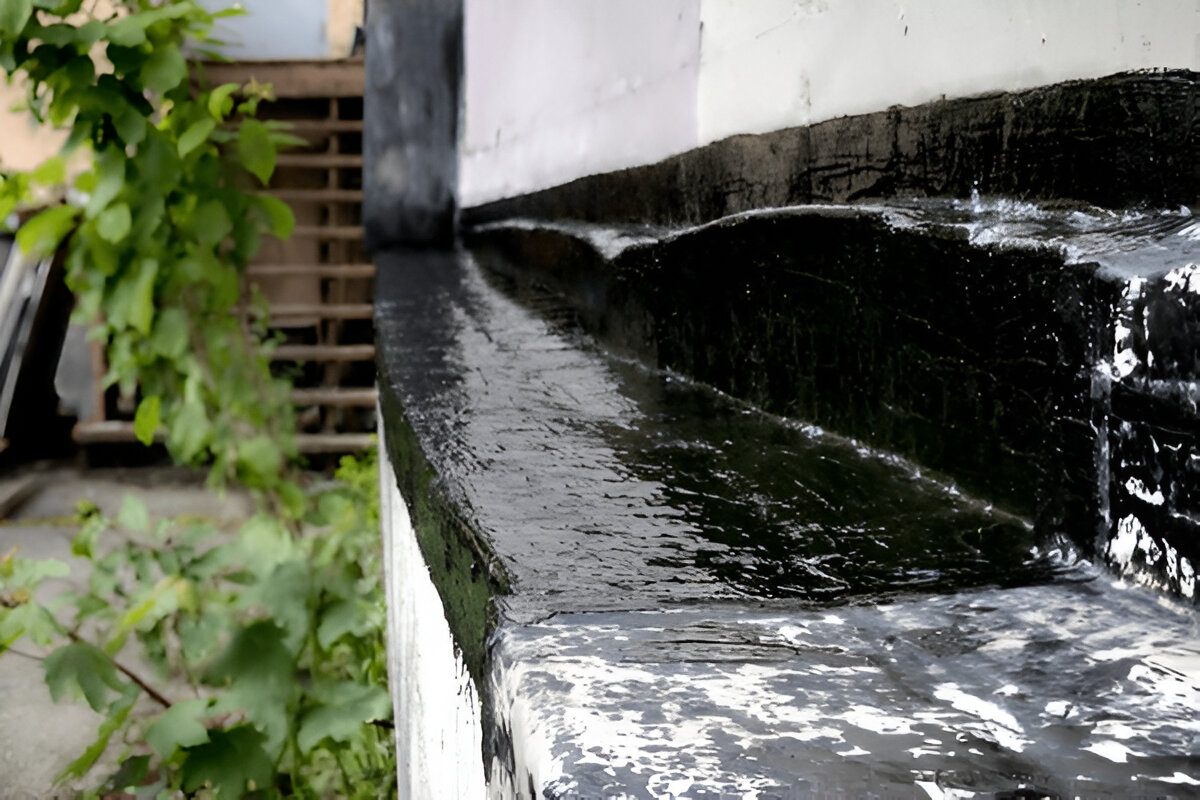
Noticing water leaking from the wall can cause concerns for homeowners. Most of the time, the problem begins quietly, with small leaks or moisture buildup hidden behind the wall before any obvious damage appears.
Wall leakage might not seem serious, but over time, the moisture spreads. Eventually, it becomes damage that can affect both the structure of your home and your everyday comfort.
In some cases, identifying what is happening inside your walls can be tricky, especially when there are no visible signs on the surface. In this blog, we’ll help you understand why it happens and what steps to take next.
What Water Ingress Means
Water ingress refers to water entering your home, usually through small gaps, cracks, or hidden entry points. It might be coming from a plumbing line inside your wall or from outside during heavy rain.
Understanding water ingress is important because the visible wet spot on your wall is often not the first place the leak started. Water can travel behind the paint, move through small gaps, and even run along internal cavities. In many cases, what appears to be a minor damp patch could indicate a larger problem hidden behind the surface, making early detection crucial.
What Are the Reasons for Wall Leakage
Rainwater Entering Through Exterior Walls
Exterior walls can absorb rainwater if they are not properly sealed. Even tiny cracks allow moisture in. During storms, the water can travel through the wall and show up as wide patches of dampness.
Gutter or Downpipe Problems
Gutters full of leaves or blocked downpipes can overflow. Water then runs down the exterior wall and seeps into small gaps, gradually leading to moisture inside. Misaligned gutters can also direct water toward the wall instead of away from it.
Loose or Worn Window Seals
Seals around windows and doors prevent rainwater from entering. Over time, these seals will age, crack, or loosen, allowing water to sneak in during rain, creating damp spots under window sills or around frames.
Leaking Pipes
One of the most common causes of water leaking from wall surfaces is plumbing problems. Pipes behind walls can crack, corrode, or develop loose joints. The leaks release water slowly, so homeowners notice them only after moisture becomes visible.
A qualified plumber in Melbourne can locate hidden leaks using specialised equipment. For further details, visit neighbourhoodplumbing.com.au.
Condensation Issues
High indoor humidity combined with poor ventilation can cause moisture to build up on walls, which is sometimes mistaken for a leak. Over time, this trapped moisture can lead to peeling paint, mould growth, and a damp smell.
How to Spot Water Ingress Before It Gets Worse
Detecting the early signs gives you a better chance of preventing serious damage. Leaks behind walls rarely show themselves immediately, so you need to pay attention to subtle changes.
Look for Discolouration or Stains
Discolouration on walls or ceilings is one of the earliest signs of water ingress. These stains appear yellow, brown, or darker than the surrounding area and can slowly spread over time.
Check for Peeling or Bubbling Paint
When moisture becomes trapped behind paint, it weakens the bond between the paint and the wall. This can cause bubbling, blistering, or peeling paint.
Feel for Damp or Cold Patches
Walls affected by water ingress will feel cooler or slightly damp compared to the surrounding areas. This temperature difference can be subtle but will be noticeable when running your hand across the surface.
Musty Smells or Mould
A persistent musty smell indicates mould growth within the wall cavity. Mould thrives when moisture is trapped, so this is a sign you should act soon.
Unusual Water Bills
If the leak is from the plumbing system, one of the first clues is a sudden increase in your water bill.
When the source is difficult to identify, a professional assessment is very valuable. They use advanced leak detection equipment to pinpoint the exact cause.
Documenting the signs with photos or notes can also help professionals determine how long a leak has been occurring and what repair methods are best.
How to Fix Wall Leakage
Because wall leakage can be caused by several reasons, the right solution depends on where the water is coming from:
Repairing Exterior Wall
If rainwater is getting through the outer wall, you will need to reseal and repaint the exterior. Cracks need to be filled, and a water-resistant coating must be applied.
Fixing Gutter and Roof Issues
Regular gutter cleaning and repairs are crucial. You need to:
● Clear blockages
● Fix cracked downpipes
● Realign gutters if needed to direct water away properly
These actions will keep water from entering wall cavities during heavy rains.
Addressing Leaking Pipes Inside the Wall
If plumbing is the source, a licensed plumber in Melbourne should diagnose and repair it. This is because they’ll use the right tools to pinpoint the problem, fix the damaged section, and help prevent the leak from coming back and causing further damage to your walls.
A qualified team like Neighbourhood Plumbing can help with this process by accurately locating the leak and repairing it in line with Australian plumbing standards.
Conclusion
Water leaking from a wall is rarely just a surface issue. Without proper attention, this issue can gradually weaken building materials, encourage mould growth, and increase the repair cost.
By understanding the common causes and knowing what early warning signs to look for, you can now act sooner and limit further damage. If the source of the leak isn’t obvious, a professional assessment can help identify the problem accurately and ensure the right fix is applied before the situation worsens.