
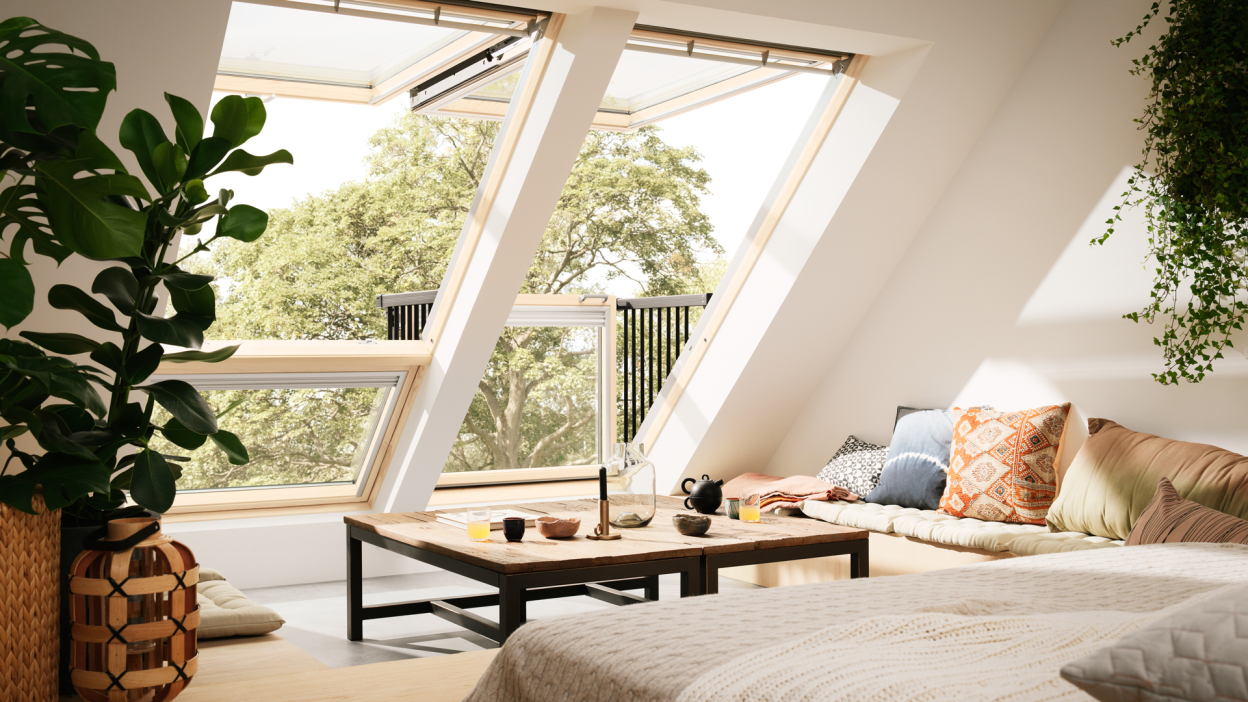
When we contemplate the ideal home environment, many of us associate it with light, space, and airflow. Perhaps you’ve heard the phrase, “Light is life,” and it rings particularly true in our living spaces. One effective way to enhance natural light in a home is through the installation of roof windows, which can dramatically impact both the aesthetics and functionality of a space.
Traditionally seen as a luxury or architectural feature, roof window upgrades are becoming increasingly popular, offering a practical solution to improve well-being and energy efficiency. Whether you’re considering home improvements or simply curious about the benefits, understanding the far-reaching effects of these modern home roof window upgrades is essential.
Daylight and Wellbeing
Research consistently shows that exposure to natural light boosts mood and enhances overall well-being. Sunlight stimulates hormone production, particularly serotonin, which can elevate mood and help combat depression. This has led to a growing interest in bringing more natural light into our homes, especially in urban areas where light can often feel limited.
Roof windows allow light to enter from above, which can help illuminate darker spaces more effectively than traditional vertical windows. This upward light not only enhances the aesthetic appeal of a room but can also improve its usability. Kitchens, living rooms, and home offices benefit immensely from the infusion of sunlight. As these spaces become brighter, occupants may find them more inviting and easier to use for various activities.
Moreover, a well-lit home can foster productivity. Studies have shown that employees who work in spaces with ample natural light tend to be more productive and engaged. This insight can be particularly useful for those who have adopted remote work arrangements and seek to create a conducive work environment at home.
Enhanced Air Quality
In addition to daylight access, roof windows also facilitate better air circulation. Many modern roof windows can be opened easily, allowing for ventilation—an often-overlooked aspect of indoor air quality. Improved airflow reduces indoor pollutants and moisture build-up, which can lead to mould and other health concerns.
As we strive for healthier living environments, incorporating roof windows can be a strategic move. Not only do they contribute to a space that feels fresh and inviting, but they also support health and wellness by eliminating stale air, which can significantly impact cognitive function and physical comfort.
Aesthetic Appeal
The visual appeal of daylight cannot be overstated. Natural light reveals the colours and textures of our interiors more vividly than artificial lighting, which tends to flatten and dull them. A room bathed in natural light feels more spacious and alive, creating a sensory experience that can transform how we interact with our environment.
When considering roof windows, it’s essential to choose designs that complement your home’s architectural style. Sleek, modern designs can enhance contemporary homes, while more traditional shapes can suit older properties well. Investing in quality roof windows can enhance not only the look of a home but its overall market value as well.
The aesthetic benefits extend to outdoor views. With roof windows, occupants can enjoy sky views and treetop vistas, fostering a deeper connection with nature. The psychological benefits of such connections are well-documented—natural scenes can lower stress levels and promote relaxation.
Energy Efficiency
With sustainability becoming an increasing focus, energy-efficient home upgrades must not be forgotten. Roof windows can aid in reducing reliance on artificial lighting, thus lowering energy consumption. Many modern designs include thermal glazing which helps maintain comfortable indoor temperatures year-round.
In summer, opening roof windows helps with passive cooling, providing a natural way to combat heat without resorting to air conditioning. In winter, the insulation properties of modern windows help to keep the warmth inside. This balance not only supports eco-friendly living but also translates into financial savings on energy bills.
Additionally, skylights can play a significant role in reducing artificial lighting needs, which contributes to overall energy conservation. When thoughtfully integrated into a home’s design, roof window upgrades can be a substantial step toward a more sustainable lifestyle.
Practical Considerations
While the benefits of roof window upgrades are compelling, a few practical considerations must be addressed. Homeowners should assess the structure of their roofs, as not every property is suited for such installations. Consulting with an experienced professional is crucial for understanding potential limitations and ensuring that the upgrades are both feasible and effective.
Furthermore, planning permissions may be required for certain alterations, especially in conservation areas or when structural changes are involved. This aspect shouldn’t discourage homeowners; rather, it should encourage them to engage with experts who can navigate these processes.
In conclusion, the impact of roof window upgrades on well-being and daylight access is both significant and multi-faceted. By inviting natural light into our homes, we not only enhance their aesthetic appeal but also improve the quality of life for those who occupy them. Increased daylight can elevate mood, foster productivity, and support better air quality—all integral to a healthier lifestyle.
If you consider modern home roof window upgrades, it’s worth exploring options that align with your aesthetic preferences while being practical for your living space. Each decision contributes to a home that reflects not just our style but also our values in seeking wellness through design.
Investing in such upgrades is not merely about aesthetics; it’s about nurturing a living environment that supports health, happiness, and efficiency. In today’s fast-paced world, our homes should serve as sanctuaries—where light, air, and design intertwine to create a lasting impact on our lives.