
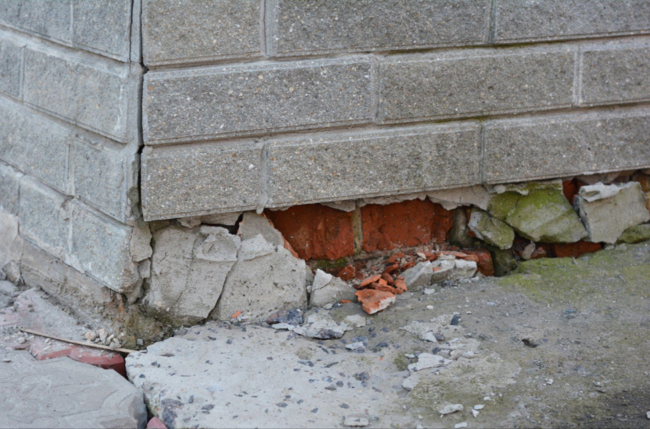
Parging is a protective mortar coating applied to concrete or masonry foundation walls. Professional services apply a durable mortar coating to concrete or masonry surfaces, sealing cracks and gaps where water seeps in. In regions with freeze-thaw cycles like Calgary, foundation parging prevents moisture intrusion that leads to structural damage, mould, and energy loss. Proper concrete parging acts as a waterproof barrier, extending your building’s lifespan without costly repairs.
Table of Contents
- How Professional Parging Services Block Water Intrusion
- What to Expect When Hiring Trusted Parging Contractors
- Final Thoughts: Protect Your Investment Before Damage Sets In
Moisture doesn’t announce its arrival – it creeps in silently, expanding cracks, rusting rebar, and weakening structural integrity over time. Homeowners across Canada, especially in climates with heavy snowfall and spring runoff, face escalating risks without proper foundation protection.
That’s where professional parging services in Calgary come in – not as a cosmetic fix, but as a critical moisture management system. Applied by experienced hands, this mortar-based shield transforms vulnerable concrete into a resilient, water-resistant surface. Let’s explore how this often-overlooked layer saves thousands in future repairs.
How Professional Parging Services Block Water Intrusion
Professional application ensures proper thickness, curing, and adhesion – critical factors DIY attempts often miss. Contractors don’t just slap on mortar; they prep the surface, remove loose material, dampen the substrate to prevent premature drying, and apply in optimal weather conditions. This precision turns a simple coating into a long-term moisture management system.
The Science Behind Foundation Parging
Concrete, despite its strength, is naturally porous. Over time, exposure to weathering, ground movement, and hydrostatic pressure creates pathways for water. Foundation parging fills these voids with a dense, low-permeability layer that redirects water down and away from the wall surface.
The mortar mix typically includes Portland cement, fine sand, and additives for flexibility and water resistance. When troweled on at ⅜” to ½” thickness, it doesn’t just cover imperfections – it bridges them, preventing capillary action (the process by which water wicks upward through tiny channels). Properly cured parging also resists efflorescence by minimizing salt migration, keeping your foundation both dry and visually clean.
Exterior Parging as Your First Defence Line
Exterior parging is your property’s frontline soldier against the elements. Applied to above-grade foundation walls, it shields against rain splash, snowmelt runoff, and wind-driven moisture. In regions with heavy precipitation or rapid temperature shifts – like much of Canada – this coating prevents surface erosion and spalling caused by repeated freezing and thawing.
It’s especially critical for homes with shallow grading or poor drainage, where water pools near the foundation. Even if your weeping tile and downspouts are functioning, exterior parging adds redundancy. Think of it as insurance: you hope you never need it, but when a sudden spring downpour hits, you’ll be glad it’s there.
Signs You Need Immediate Repair
Ignoring early warning signs can turn minor moisture issues into major structural headaches. Watch for these red flags:
- Flaking, bubbling, or crumbling mortar on foundation walls
- Visible cracks wider than 1/16 inch in the layer
- White, chalky residue (efflorescence) indicating salt migration
- Persistent dampness or staining on interior basement walls
- Musty odours or visible mould growth near floor-wall junctions
Parging repair isn’t just cosmetic – it’s restorative. Timely intervention prevents water from exploiting weaknesses and causing deeper, costlier damage to the structural concrete beneath.
Concrete Parging vs. DIY Sealants (Comparison Table)
| Feature | Pro Concrete Parging | DIY Sealants |
| Material Bond | Chemically bonds with the substrate | Sits on the surface, prone to peeling |
| Lifespan | 10–20+ years with minimal upkeep | 2–5 years, requires reapplication |
| Moisture Resistance | Blocks capillary action, redirects flow | Surface barrier only |
| Structural Benefit | Reinforces and stabilizes the surface | No structural improvement |
| Freeze-Thaw Resistance | Engineered to flex and resist cracking | Often becomes brittle and cracks |
| Application Precision | Applied by trained parging contractors | Prone to user error and thin spots |
While sealants may seem like a quick fix, they often fail under Canadian weather extremes. When done right, it becomes part of the wall – not just a layer on top of it.
What to Expect When Hiring Trusted Parging Contractors
Hiring qualified contractors is a critical step in ensuring your foundation receives long-lasting, moisture-resistant protection. Unlike surface-level fixes, professional parging involves technical expertise, material knowledge, and an understanding of regional climate challenges. Knowing what to expect during the process helps you make informed decisions and avoid common pitfalls.
Initial Assessment and Transparent Consultation
Reputable contractors begin with a thorough on-site evaluation. They examine your foundation walls for existing damage, assess drainage conditions, and determine whether you need full exterior or targeted parging repair. This step ensures the solution matches your property’s specific needs rather than applying a one-size-fits-all approach.
During this consultation, expect clear communication about:
- The condition of your current concrete or masonry surfaces
- Recommended mortar mix and application thickness
- Estimated timeline and weather considerations
- Potential need for complementary waterproofing measures
A trustworthy contractor will provide a detailed, written estimate with no hidden fees and explain how their approach aligns with best practices for concrete parging in variable climates.
Surface Preparation and Material Application
Proper surface prep is non-negotiable for durable results. Skilled parging contractors will:
- Remove loose, flaking, or spalled material using wire brushes or light chiselling
- Clean the wall with low-pressure washing to eliminate dirt, efflorescence, and salts
- Dampen the substrate to prevent premature moisture loss during curing
The mortar mix – typically Portland cement, fine sand, and performance-enhancing additives – is prepared to precise ratios. Applied at ⅜” to ½” thickness, it’s troweled evenly to bridge cracks and create a cohesive barrier. The finish may be smooth or lightly textured, depending on exposure and aesthetic preference.
Curing, Clean-Up, and Follow-Up Guidance
After application, proper curing is essential. Contractors monitor conditions to prevent rapid drying, which can cause shrinkage cracks. They’ll advise you to avoid direct water exposure (e.g., from sprinklers or heavy rain) for 48–72 hours.
Professional crews also:
- Protect landscaping and adjacent surfaces during work
- Remove debris and leftover materials upon completion
- Offer post-application care tips to maximize longevity
Some may even schedule a brief follow-up visit to inspect the cured parging for uniformity and adhesion.
Qualities of Reliable Parging Contractors
When evaluating professionals, prioritize experience and process over price alone. Look for contractors who:
- Specialize in foundation and exterior parging, not just general masonry
- Have a track record of successful repair projects in your region
- Use quality materials suited to freeze-thaw cycles
- Communicate clearly and stand behind their workmanship
- Provide references or before-and-after examples of past jobs
Choosing the right team ensures your parging performs as a true moisture barrier – not just a temporary cover-up. This level of care transforms a simple coating into a decades-long defence for your property’s structural integrity.
Final Thoughts: Protect Your Investment Before Damage Sets In
Moisture damage doesn’t happen overnight – but when it does, the cost and disruption can be overwhelming. Cracked foundations, mould remediation, structural repairs, and energy inefficiencies all trace back to one preventable cause: unsealed concrete.
Don’t let silent moisture turn your biggest asset into a liability. Assess your foundation’s condition this season. Seal the cracks. Fortify the surface. Protect what matters – before the damage sets in.