
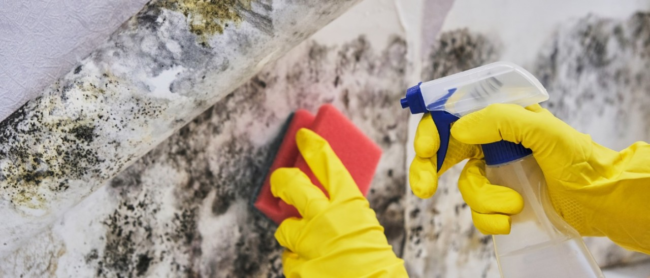
Why mould on walls feels so overwhelming
Mould on walls has a way of making an otherwise lovely home feel neglected. You scrub the bathroom, air out the bedroom, light a nice candle, then spot a grey patch creeping along the ceiling or behind the wardrobe. It looks unhealthy, smells musty, and sends you straight to search results for fast fixes.
On sites like MyFlashyHome, readers care about homes that feel welcoming and truly lived in, not just picture ready for a single season. Mould gets in the way of that. It can damage paintwork, stain curtains and soft furnishings, and irritate people with asthma or allergies. So dealing with it is not just about looks, it is about your comfort and your family’s wellbeing too.
The good news is that if you combine smart cleaning habits with a few simple upgrades, you can dramatically cut down the chances of mould coming back. It starts with understanding what you are really fighting against.
The real reasons mould appears on your walls
Mould is a symptom more than a standalone problem. Those dark spots are telling you that your walls are frequently cold, damp, or both. If you only wipe the patches away but never address the conditions that caused them, you will be cleaning the same corner again and again.
Most households deal with mould in three key areas. Bathrooms that stay steamy for too long, bedrooms where windows rarely get opened, and north facing rooms or external walls that feel colder than the rest of the house. When moisture hits those chilly surfaces, water condenses, lingers, and offers mould the invitation it needs.
Many homeowners begin with a quick search on how to remove mould from walls then slowly realise that prevention has just as much impact as the right cleaning routine. Once you know what is causing the damp, each room becomes easier to manage.
Everyday habits that quietly feed mould growth
Some of the most common mould triggers come from well meaning daily routines. Drying laundry on radiators all winter, taking long, hot showers with the door closed, or pushing wardrobes tight against cold exterior walls all raise the risk. None of these things feel dramatic, but they all increase moisture where air cannot move freely.
Even small changes can help. Leaving a gap between furniture and walls, hanging clothes in one ventilated room instead of many, or using lids on pans when cooking makes less condensation climb your walls and ceilings.
Safe, sensible ways to remove mould from your walls
Before you think about decorating, you need the mould gone and the surface clean. That means choosing a method that works for the type of wall you have and the level of damage you are dealing with. A lightly speckled bathroom ceiling is different from a bedroom corner where paint is already bubbling or flaking.
Start by protecting yourself and the rest of the house. Open a window if you can, wear gloves, and avoid dry scrubbing that sends spores into the air. Gently wiping with a damp cloth and the right cleaner stops you from spreading the problem further across the wall.
Choosing the right technique for your surface
Non porous areas like tiles or sealed masonry usually tolerate more robust cleaning than painted plasterboard. For a tiled shower wall, aim for a product specifically designed to tackle mould stains and discolouration in grout lines. On a painted bedroom wall, you might need a milder approach, applied with a soft sponge in small sections so you do not strip all the paint at once.
Whichever cleaner you use, follow the instructions carefully and resist the urge to mix products. Combining household chemicals can create dangerous fumes, and more product is not always better. Patience and repeated gentle passes often beat one aggressive session.
When to worry about deeper damage
If mould keeps reappearing in the same spot within weeks, or you notice the wall feels damp to the touch, it may be more than a surface issue. Water ingress from a leaky roof, cracked render, or faulty plumbing can feed mould from behind the wall. In that case, professional advice from a contractor or surveyor is often worth the cost because it tackles the root cause rather than the symptom.
Small home upgrades that make a big difference
Once you have cleaned affected areas, think about how to help your home stay drier without turning it into a constant project. The aim is to quietly adjust the way your space works so mould no longer has such an easy time settling in.
Ventilation is usually the first, most affordable step. An extractor fan that actually runs for long enough after a shower, trickle vents that are not permanently shut, and a short daily window opening routine all shift moist air outside instead of letting it cling to cold corners.
Smart layout tweaks for cosier, healthier rooms
Interior decorators often talk about flow from a visual perspective, but flow of air matters just as much. In mould prone rooms, try to keep larger furniture away from external walls and avoid packing shelves and boxes closely into alcoves where cold meets still air. Even a few centimetres of space between a wardrobe and the wall can stop damp patches forming behind it.
Textiles also play a role. Heavy curtains that completely cover radiators can trap cold air against the glass while the rest of the room stays warm and humid. Swapping to lined curtains that sit slightly above the radiator, or using a combination of blinds and lighter drapes, keeps heat moving more freely and reduces condensation on the window wall.
Balancing comfort, style, and practicality
It is tempting to hide problem areas with art, plants, or furniture, especially if guests are coming. The trouble is that covering a mould prone patch often makes it worse. A framed print pressed against a chilly wall collects condensation, and leaves you with mould spots on both the wall and the back of the frame.
A more sustainable approach is to treat that wall as a design constraint. Choose moisture resistant paint finishes for steamy rooms, opt for shelves instead of full height wardrobes on colder exterior walls, and use washable textiles in areas that are likelier to need a refresh. Your space still looks curated, but it is also easier to maintain.
Keeping mould away for good
After the first big clean up, prevention becomes part of your regular home rhythm rather than a separate project. Many readers build small checks into routines they already have. A quick look at bathroom corners during the weekly clean, a touch test on that one cold wall after doing laundry, or a seasonal inspection of window frames as you change curtains or decorate for holidays.
If you live in a damp climate or an older property, a simple log can be surprisingly helpful. Note where mould appeared, what the weather was like, and which rooms felt particularly humid. Over a season you might see patterns, like recurring issues after you stop using the heating in spring, or in one bedroom where the door stays shut most of the day.
Each pattern gives you a clue, and each clue points to a small change. A dehumidifier run for a few hours on laundry days, a fan set to run longer after showers, or a slight shift in furniture layout can all add up to walls that stay cleaner and a home that feels fresher without constant firefighting.
Afbeelding: https://www.pexels.com/nl-nl/foto/vrouw-mevrouw-meisje-huis-4107115/