
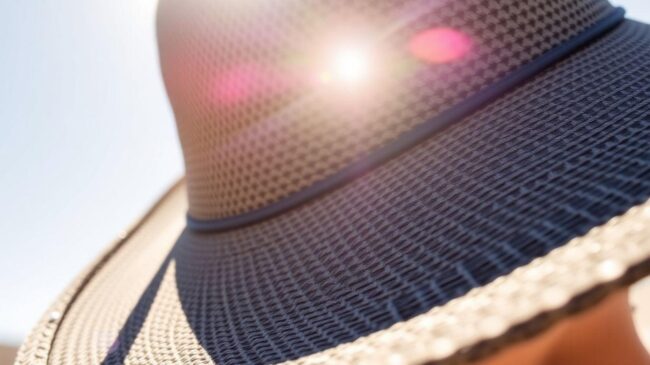
The Science Behind Sun Guard Textiles
Sun guard textiles are engineered to offer a shield against the sun’s harmful ultraviolet (UV) radiation. This isn’t just about making clothes thicker; it involves understanding how different materials interact with UV light. The science behind UV protection fabric focuses on blocking these rays before they reach your skin. This technology is key to reducing sun damage risks.
Different fibers and weaves have varying abilities to block UV rays. For instance, tightly woven fabrics with a dense construction tend to offer better protection than loosely woven ones. The color of the fabric also plays a role, with darker or brighter colors generally absorbing more UV radiation than lighter shades. This scientific approach ensures that the fabric provides a reliable barrier.
Beyond the weave, manufacturers often incorporate special treatments or dyes that enhance a fabric’s UV-blocking capabilities. These additions work by either reflecting or absorbing UV rays, preventing them from penetrating the material. The goal is to create a textile that is both effective and comfortable for everyday wear.
How Fabrics Shield Against UV Radiation
Fabrics shield against UV radiation through a combination of physical and chemical properties. Physically, the density of the weave and the thickness of the material act as a barrier. A tighter weave means fewer gaps for UV rays to pass through. Think of it like trying to shine a flashlight through a fine mesh screen versus a loose net; the mesh blocks more light.
Chemically, certain dyes and finishes are added to the fabric. These substances absorb UV radiation, converting it into a small amount of heat that dissipates harmlessly. This is a critical aspect of uv resistant fabric development, as it adds another layer of protection beyond the physical structure of the textile itself. This dual approach is what makes modern sun-protective clothing so effective.
It’s important to note that not all fabrics offer the same level of protection. Factors like stretching, washing, and wear can affect a fabric’s ability to shield your skin. Therefore, understanding how these elements impact the fabric’s performance is vital for choosing the right uv resistant fabric for clothing.
Advancements in Solar Protection Technology
Advancements in solar protection technology have dramatically improved the effectiveness and comfort of sun-protective clothing. Early attempts at UV protection were often bulky and uncomfortable, but modern innovations have changed that. We now have access to lightweight yet highly protective materials.
One significant area of progress is in the development of specialized yarns and fibers. These are engineered at a molecular level to inherently block UV rays. Coupled with advanced dyeing techniques and finishing treatments, these materials offer superior protection without compromising breathability or feel. This makes lightweight uv protection fabric a reality for active lifestyles.
These technological leaps mean that consumers can now find clothing that offers excellent UV protection without feeling heavy or restrictive. This is a game-changer for anyone who spends time outdoors, whether for recreation or work, providing a practical and stylish way to stay safe from the sun.
Key Factors in UV Resistant Materials
When we talk about fabrics that block the sun, it’s not just one thing that makes them work. Several elements come into play to make a fabric truly UV resistant. Think of it like building a house; you need a solid foundation and the right materials to keep the weather out. The same applies to keeping those harmful UV rays at bay.
The Role of Weave Density and Fabric Thickness
The way a fabric is woven and how thick it is makes a big difference in how much sun it blocks. Tightly woven fabrics, where the threads are packed closely together, leave fewer gaps for UV rays to sneak through. Imagine a fine mesh versus a loose net – the fine mesh stops more things. Similarly, thicker fabrics generally offer better protection because there’s more material for the UV radiation to penetrate. A denser weave and greater fabric thickness are direct contributors to a higher UPF rating.
Incorporating UV Absorbers and Treatments
Beyond the fabric’s natural construction, special treatments can boost its sun-blocking power. Manufacturers often add UV absorbers, which are chemicals that soak up UV radiation and release it as heat. These can be applied during the dyeing process or as a finishing treatment. Think of it like adding a special coating to a window to block heat. These treatments are key to creating effective sun guard textiles that offer reliable protection.
Breathability and Moisture-Wicking Properties
While blocking UV rays is the main goal, comfort is also super important. Nobody wants to wear a thick, stuffy outfit on a hot day, even if it offers great protection. That’s where breathability and moisture-wicking come in. Breathable fabrics let air circulate, keeping you cooler. Moisture-wicking fabrics pull sweat away from your skin, helping you stay dry and comfortable. Finding a balance between strong UV protection and comfortable wear is a big part of developing good sun-blocking textiles.
The Importance of UPF Ratings
Understanding UPF Values and Standards
When we talk about protecting our skin from the sun, you’ve probably heard of SPF for sunscreen. But for clothing, the key term is UPF, which stands for Ultraviolet Protection Factor. Think of UPF fabric as a shield. It tells you how much of the sun’s harmful ultraviolet radiation a piece of clothing can block from reaching your skin. A higher UPF number means better protection. It’s a straightforward way to gauge how well a garment will keep you safe.
UPF ratings are standardized, so you know what to expect. They range from 15 to 50+. A UPF of 15 to 24 is considered good, blocking at least 93% of UV rays. A rating of 25 to 39 offers very good protection, blocking 96% to 97.4% of rays. For excellent protection, you’ll want to look for UPF 50 or higher, which blocks 98% or more of UV radiation. This makes understanding these values vital for making informed choices about sun-safe clothing.
It’s important to remember that UPF measures protection against both UVA and UVB rays, which is different from SPF, typically only measuring UVB. This broader protection is why UPF fabric is so effective. The way a fabric is made, its thickness, color, and any treatments it has undergone all contribute to its UPF rating. So, next time you’re shopping for outdoor gear, pay attention to that UPF label.
Achieving UPF 30+ for Effective Protection
To really make a difference in reducing sun damage, aiming for a UPF rating of 30 or higher is a good goal. This level of protection is considered very good, meaning the fabric will block at least 94% of harmful UV rays. Wearing clothing with a UPF 30+ rating significantly cuts down your exposure, helping to prevent sunburn and long-term skin damage.
Many everyday fabrics don’t offer much protection on their own. A thin, light-colored t-shirt, for example, might only have a UPF of around 5. That’s why specialized UPF fabric is so important for serious sun protection. Whether it’s for a day at the beach, hiking, or just running errands, choosing garments with a UPF 30+ rating provides a reliable barrier against the sun’s intensity.
Here’s a quick look at what different UPF ratings mean for protection:
- UPF 15-24: Good Protection (Blocks 93.3% – 95.8% of UV rays)
- UPF 25-39: Very Good Protection (Blocks 95.9% – 97.4% of UV rays)
- UPF 40-50+: Excellent Protection (Blocks 97.5% – 100% of UV rays)
The Skin Cancer Foundation’s Recommendation
The Skin Cancer Foundation recognizes the importance of sun-protective clothing and has specific guidelines for recommending products. To earn their Seal of Recommendation, a garment must have a minimum UPF rating of 30. This standard is set because a UPF 30 fabric provides a substantial level of protection against UV radiation.
They further classify UPF ratings into categories: UPF 30 to 49 is considered very good protection, while UPF 50 and above is rated as excellent. This tiered system helps consumers understand the degree of safety offered by different garments. The Foundation’s endorsement highlights that clothing is a primary and effective tool in the fight against skin cancer and sun damage.
Choosing clothing with a high UPF rating is a proactive step towards better skin health. It complements other sun safety measures like sunscreen and seeking shade, offering a consistent layer of defense throughout the day.
Innovations Inspired by Space Exploration

From Space Suits to Everyday Wear
The journey of UV protective wear is pretty wild. It all started with what astronauts needed to survive in space. Think about it: extreme sun radiation, no atmosphere. NASA had to figure out how to keep them safe. Those early designs, focused on blocking harmful rays and managing temperature, have really shaped the clothes we wear today. It’s amazing how space-inspired fabric technology has trickled down from the final frontier to our local park.
These advanced materials, initially designed for the harshness of space, are now making their way into our everyday wardrobes. The goal was always to protect sensitive skin, and this mission continues. We’re seeing a direct link between the rigorous demands of space travel and the fabrics that now shield us from the sun’s damaging effects right here on Earth. It’s a testament to human ingenuity.
The principles behind astronaut gear are now integrated into clothing that offers serious sun protection without sacrificing comfort. This evolution means we all benefit from the cutting-edge research that once only served a select few. It’s a win-win for sun safety and practical fashion.
NASA’s Contribution to UV Protective Wear
NASA’s work on astronaut suits is a big deal for sun guard textiles. These suits aren’t just about looking cool; they’re engineered to handle intense solar radiation and extreme temperature shifts. They use clever stuff like phase change materials and fabrics that feel cool to the touch. These technologies help astronauts stay comfortable and protected, no matter the conditions.
This research has directly influenced the development of fabrics that can do similar jobs for us. Think about materials that can absorb or release heat, keeping you cool when it’s hot and protected from UV rays. It’s all about smart design and material science working together.
The core idea is to create textiles that actively manage the wearer’s environment, a concept born from the need for survival in space but now applied to everyday comfort and health.
Commercialization of Space-Inspired Fabric Technology
It’s a really exciting time for fabric innovation, especially when it comes to sun protection. Companies are taking the lessons learned from NASA’s space programs and turning them into clothes we can actually buy. This means we get access to high-tech fabrics that offer great UV protection, are breathable, and feel light.
These aren’t just basic shirts; they’re designed with advanced weave density and fabric thickness in mind, just like the gear for astronauts. The commercialization means that the benefits of this space-inspired fabric technology are now widely available, helping more people stay safe from the sun.
Here’s a look at some of the features that have made the leap from space to street:
- Moisture-Wicking Fabrics: Pull sweat away from the body for quick evaporation, keeping you dry and cool.
- Phase Change Materials: Help regulate body temperature by absorbing or releasing heat.
- Cool-Touch Fabrics: Transfer heat away from the skin, providing a cooling sensation.
- Reflective Coatings: Deflect sunlight to minimize heat absorption.
Health Benefits of UV Protective Garments
Preventing Skin Damage and Photoaging
UV protective garments are a smart way to keep your skin looking good and feeling healthy. The sun’s rays can really do a number on your skin, causing burns and making you look older faster. Think of these clothes as your first line of defense against that damage. They work by blocking a lot of the UV radiation that would otherwise hit your skin.
Wearing UV protective clothing helps reduce the visible signs of aging caused by sun exposure. This means fewer wrinkles and less sun spotting over time. It’s not just about avoiding a sunburn today; it’s about protecting your skin’s long-term health and appearance. Using these sun guard textiles is a simple step with big rewards.
It’s especially important during peak sun hours, typically between 10 a.m. and 4 p.m. During these times, UV rays are at their strongest. Having on clothes designed for sun protection means you’re better prepared for these intense periods. This proactive approach can make a real difference.
Reducing the Risk of Skin Cancer
Skin cancer is a serious concern, and much of it is linked to too much time spent in the sun without protection. UV protective clothing plays a significant role in lowering this risk. By creating a barrier against harmful ultraviolet radiation, these garments significantly cut down on the amount of UV light that reaches your skin.
Many skin cancers are preventable, and choosing the right clothing is a key strategy. When you wear clothes with a good UPF rating, you’re actively taking steps to protect yourself. This is particularly important for people who spend a lot of time outdoors or live in sunny climates. The health benefits of UV protective garments extend directly to this critical area of cancer prevention.
The goal is to make sun safety accessible and effective for everyone. Innovative fabrics are making it easier than ever to get good protection without sacrificing comfort or style.
The Role of Protective Clothing in Sun Safety
Protective clothing is a cornerstone of good sun safety practices. While sunscreen is important, it can be difficult to apply perfectly every time, and its effectiveness can wear off. Clothing, on the other hand, offers a consistent level of protection as long as it’s worn.
Using sun guard textiles is a proactive way to manage your UV exposure. They are designed to work with your body’s natural defenses, providing a physical shield. This makes them a reliable part of a sun protection plan, especially when combined with other measures like hats and sunglasses.
Here’s why protective clothing is so vital:
- Consistent Barrier: Offers reliable protection throughout the day.
- Reduced Reliance: Less worry about reapplying sunscreen to covered areas.
- Broad Spectrum: Many fabrics block both UVA and UVB rays.
- Long-Term Health: Contributes to preventing skin damage and reducing cancer risk.
Challenges and Future Trends in Sun-Blocking Textiles
Developing Fabrics That Balance Protection and Comfort
Making fabrics that offer top-notch UV protection while still feeling good to wear is a big hurdle. Nobody wants to wear stiff, hot clothing, even if it blocks the sun. The goal is to create sun guard textiles that are light, airy, and soft against the skin. This means finding the right mix of fibers and weave structures. We’re looking at materials that can keep you cool and dry, even on the hottest days, without sacrificing their ability to block harmful rays. It’s a tricky balance, but one that’s key for making UV protective clothing a go-to choice.
Ensuring Long-Lasting UV Resistance
Another challenge is making sure the UV protection doesn’t fade away after a few washes. Many fabrics lose their effectiveness over time, especially with regular wear and tear. We need to develop sun guard textiles that maintain their UPF rating for the long haul. This involves using durable UV absorbers and treatments that bond well with the fabric. The aim is to create clothing that you can rely on season after season. Durability is just as important as the initial protection level.
Meeting Growing Consumer Demand for Sun Protection Fabric
People are more aware than ever about the dangers of sun exposure. This means there’s a bigger demand for clothing that offers real sun protection. We need to produce these advanced fabrics at a scale that meets this demand. Plus, consumers want options that look good and fit current fashion trends. It’s not enough for a fabric to just block UV rays; it needs to be stylish and practical too. This push for better, more accessible sun protection fabric is driving a lot of innovation in the textile industry.
Looking Ahead: The Future of Sun Protection Fabrics
The journey of developing better sun protection fabrics is ongoing. From early NASA research to today’s advanced materials, the focus remains on shielding us from the sun’s harmful rays. Innovations in weave density, fabric thickness, and UV-absorbing treatments continue to improve how well clothes protect our skin. As we move forward, the goal is to create textiles that offer even greater protection, comfort, and style, making it easier for everyone to stay safe outdoors. This commitment to innovation means we can all enjoy the sun with less worry about sun damage.