
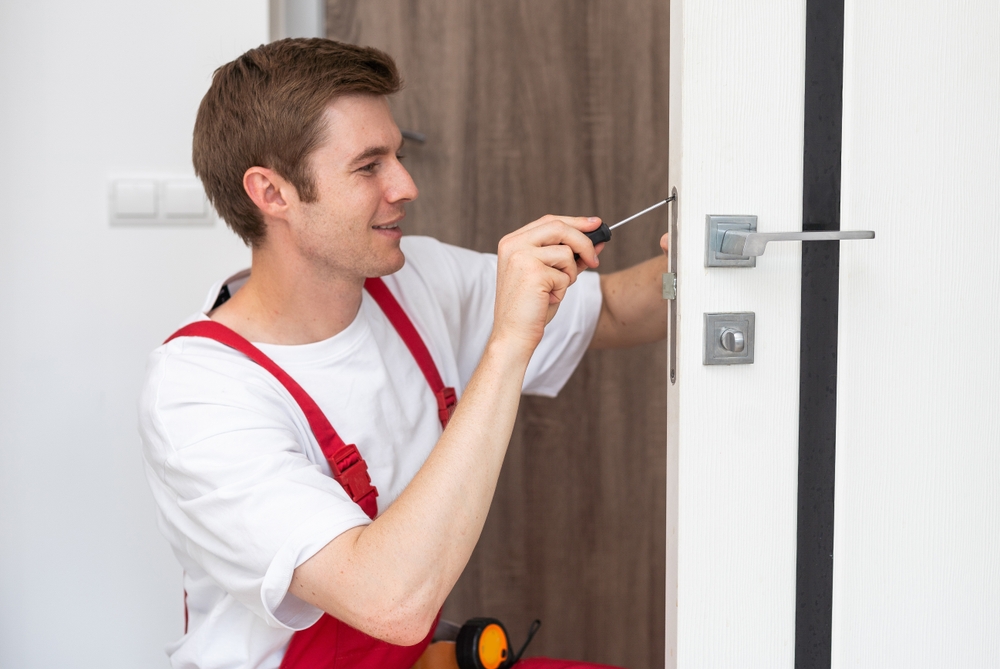
When you move into a new home, lose a key, or go through a big life change, one question always comes up: “Who actually has a key to my house?”
That’s where lock rekeying comes in — a simple, budget-friendly way to upgrade security without replacing all your hardware.
In this guide, an expert locksmith from Sacramento breaks down what home lock rekeying is, when you really need it, how the process works, and shares his professional opinion on how to choose a trustworthy locksmith.
What Is Lock Rekeying?
Lock rekeying means changing the internal pins inside a lock cylinder so that old keys stop working and a new key is required to open the lock.
You keep the same lock hardware on the door, but the “code” inside the lock is changed.
Rekeying vs. Replacing Locks
- Rekeying
- Keeps existing lock body and hardware
- Changes internal pins / key pattern
- Old keys no longer work
- New keys are issued
- Usually cheaper and faster
- Keeps existing lock body and hardware
- Replacing locks
- Entire lockset is removed and replaced
- Needed if the lock is damaged, low-quality, or outdated
- Good if you want a new style or upgraded security hardware
- Entire lockset is removed and replaced
For most homeowners, rekeying is the first choice if the lock itself is still in good condition.
When Should You Rekey Your Home Locks?
You don’t need to wait for an emergency. There are several common situations where rekeying is strongly recommended:
1. Moving Into a New Home
Previous owners, real estate agents, contractors, or cleaners may still have copies of your old keys.
Rekeying right after moving in gives you:
- Full control over who can access your home
- Peace of mind from day one
- A fresh start with new keys only for your household
2. Lost, Stolen, or Unreturned Keys
If a house key is lost, stolen, or never returned:
- A simple key copy could be in the wrong hands
- Rekeying ensures that any old copies become useless
- It’s usually more affordable than replacing multiple locks
3. After Renovations or Contractor Access
Did you give a key to a contractor, housekeeper, dog walker, or sitter?
Even if you trust them, you can’t control if a key was copied or misplaced. Rekeying is a cheap insurance policy after big projects or long-term access.
4. Life Changes (Roommates, Tenants, Breakups, Divorce)
If someone moves out and you don’t want them to have access anymore, rekeying is the cleanest solution:
- No drama, no accusations
- You quietly update all locks to a new key set
5. Upgrading Your Home Security Routine
Some homeowners choose to rekey every few years as part of their security checklist — similar to changing alarm codes or Wi-Fi passwords.
Why Rekeying Is Often Better Than Replacing
Rekeying is popular because it hits the sweet spot between security, budget, and convenience.
1. Cost-Effective Security
- You pay for labor + a small set of new keys, not for brand-new hardware
- Especially beneficial if you have many locks using the same keyway
- Great for landlords or owners of multi-unit properties
2. One Key for the Whole House
A locksmith can often rekey multiple locks to one master key, so:
- Front door, back door, garage door, and side entry all use one key
- You carry less on your keychain
- It’s easier for family members to manage access
3. Faster Than Full Replacement
Rekeying is usually quicker than removing and installing brand-new locks in every door. That matters if:
- You’ve just moved in
- You’re dealing with a lost key and want fast security
- You have many doors or rental units
How a Locksmith Rekeys a Home Lock (Step by Step)
Here’s what typically happens when a professional locksmith rekeys your home locks:
- Inspection of Existing Locks
The locksmith checks the brand, condition, and security level of each lock to confirm they can be rekeyed safely. - Removing the Lock Cylinder
The lock is removed from the door and the cylinder is taken out. - Changing the Pins (the “Code”)
Inside the cylinder are tiny pins cut to match your old key.
The locksmith replaces them with a new pin combination that matches a new key. - Testing the New Key
The cylinder is reassembled, and the new key is tested several times to make sure it turns smoothly and securely. - Reinstalling the Lock
The lock is placed back into the door, and the locksmith confirms everything works correctly from inside and outside. - Handing Over New Keys
You’ll receive new copies and instructions on how many to keep and who should have one.
Throughout the process, old keys will no longer work in the rekeyed locks.
Can You Rekey Locks Yourself?
There are DIY rekeying kits on the market, but they come with some risks:
- You might damage the lock cylinder, especially on higher-quality hardware
- Incorrect pin combinations can cause the lock to jam
- Mistakes can leave your home less secure, not more
For something as critical as home security, most homeowners prefer to hire a professional locksmith. The cost difference is usually small compared to the risk and time involved.
How Often Should You Rekey Your Home?
There’s no universal rule, but you should seriously consider rekeying when:
- You move into a new place
- A key is lost, stolen, or not returned
- You change roommates, tenants, or domestic staff
- You go through a major life change and want a fresh security baseline
Some careful homeowners choose to rekey every few years just to stay ahead of any unknown copies or old keys.
How to Choose a Reliable Locksmith for Rekeying
Because you are trusting someone with access to your home, choosing the right locksmith matters.
Look for:
- Local presence and real contact details
A physical service area, local phone number, and clear website information. - Good reviews and reputation
Check online reviews, ratings, and customer feedback. - Transparent pricing
Ask about service call fees, per-lock rekey pricing, and any extra charges before the job starts. - Experience with residential security
You want someone who understands home locks, smart locks, and modern security standards.
Rekeying vs. Upgrading to Smart Locks
Many modern homes use a mix of traditional keyed locks and smart locks. If you’re thinking about upgrading:
- You can rekey the mechanical backup key on many smart locks
- A locksmith can set up a system where you use:
- A smart lock on the main entry
- Rekeyed traditional locks on secondary doors
- A smart lock on the main entry
- This gives you both digital convenience and physical key control
Home Lock Rekeying FAQ
Is rekeying as secure as getting new locks?
Yes — as long as your existing locks are in good condition and a reputable locksmith does the work. Rekeying completely invalidates old keys and gives you a new key pattern.
Do I need to rekey every lock in my house?
Not always, but it’s recommended for all exterior doors and any door that allows direct access to your home (garage entry, back door, side door). Interior doors (like bedroom or office locks) are optional and depend on your needs.
Can all locks be rekeyed?
Most modern pin-tumbler locks can be rekeyed, especially popular residential brands. Very old, damaged, or low-quality locks might be better off fully replaced.
Is rekeying worth it if I haven’t had any security issues?
Yes. Rekeying is proactive security — it closes any unknown gaps (old keys, past tenants, contractors) and gives you clarity on exactly who has access to your home.