
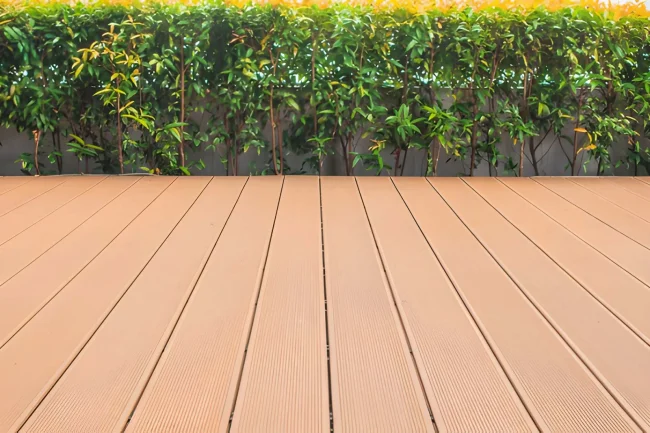
If you’re planning a deck build or replacement project, the material choice you make today will affect how much time, money, and energy you spend on that deck for the next decade or more. Vinyl decking has gained serious traction among homeowners in recent years, and for good reason. But wood has a long history as the go-to decking material, and it still has its advocates. So which one is actually worth your money in the long run?
This breakdown looks at both options honestly, covering cost, maintenance, durability, appearance, and resale value, so you can make the most informed decision for your home.
The Case for Wood Decking
Wood has been used for outdoor decks for generations, and the appeal is easy to understand. Pressure-treated lumber is widely available, relatively affordable upfront, and gives decks a classic, natural look that many homeowners love. Hardwoods like cedar, redwood, and ipe take that a step further with rich color and natural resistance to rot and insects.
Here is what works in wood’s favor:
Lower initial cost. Pressure-treated pine is one of the most budget-friendly decking materials available. For homeowners working with a tight upfront budget, the lower material cost can be appealing.
Natural aesthetic. There is something undeniably warm and organic about real wood. If you prefer the look of natural grain and are willing to maintain it, wood can be beautiful.
Workability. Wood is easy to cut, fasten, and customize on a job site. For experienced builders, it is a familiar material with predictable behavior.
That said, the advantages of wood come with a list of trade-offs that often get overlooked during the planning stage.
The Challenges of Wood Decking
Wood requires consistent, ongoing maintenance to stay in good shape. Left untreated, most wood decks begin to show wear within just a few years. Here is what homeowners typically deal with:
Staining and sealing. To protect wood from moisture, UV rays, and temperature changes, it needs to be cleaned and resealed every one to three years depending on the climate and wood species. This is not a one-and-done task. It is a recurring project that takes time and money.
Warping, cracking, and splintering. Wood naturally expands and contracts with changes in humidity and temperature. Over time, boards can warp, cup, or crack. Splinters become a safety concern, especially for families with young children.
Rot and insect damage. Even pressure-treated wood is vulnerable to rot under the right conditions. Moisture that gets trapped beneath boards or in joints can accelerate decay. Termites and carpenter ants are a real problem in many parts of the country.
Fading. Without regular maintenance, wood decks lose their color quickly. They can turn gray and weathered within a single season if left exposed.
Long-term cost. When you add up the cost of stain, sealant, cleaning supplies, tools, and labor over ten or fifteen years, the “affordable” wood deck often ends up costing far more than the initial price tag suggests.
What Vinyl Decking Brings to the Tabl
Vinyl decking is manufactured from PVC (polyvinyl chloride) and is designed specifically to handle outdoor exposure without the ongoing upkeep that wood demands. It has become a practical and visually appealing choice for homeowners who want a great-looking deck without committing to a recurring maintenance schedule.
Here is where vinyl stands out:
Low maintenance. This is the biggest selling point, and it is hard to overstate. Vinyl decking does not need to be stained, sealed, or painted. A rinse with a garden hose or a light scrub is typically all it takes to keep it looking clean. For busy homeowners, that matters.
Durability. Quality vinyl decking is built to resist moisture, UV rays, and temperature fluctuations. It does not rot, crack, or splinter. It holds up well in climates where freeze-thaw cycles take a toll on natural materials.
Consistent appearance over time. Vinyl holds its color and finish better than wood. You are not looking at a faded, weathered deck three years after installation. The surface stays cleaner looking with far less effort.
Safety. Because vinyl does not splinter, it is a safer surface for kids and barefoot walking. Many vinyl products also offer textured surfaces that reduce slip risk when wet.
Longevity. When properly installed, vinyl decking can last 25 to 30 years or more. That is a meaningful number when you are weighing the total cost of ownership.
Comparing Total Cost of Ownership
This is where the comparison gets interesting. When most people think about deck costs, they focus on the upfront material price. But the smarter question is: what will this deck cost me over ten or fifteen years?
Wood decking may cost less on day one, but factor in the following over a 15-year period:
- Annual or bi-annual staining and sealing (material and labor)
- Board replacements due to rot, cracking, or warping
- Potential structural repairs from moisture damage
- Power washing and cleaning products
When those costs are added together, the gap between wood and vinyl narrows quickly. For many homeowners, vinyl ends up being the more cost-effective choice over the life of the deck.
Vinyl has a higher initial investment in most cases. But the trade-off is a surface that requires very little ongoing spending. No staining kits, no sealants, no annual weekend projects.
Appearance: Can Vinyl Match the Look of Wood?
A common concern about vinyl is whether it can deliver the same visual appeal as natural wood. The honest answer is that it depends on what you value.
Vinyl decking has come a long way in terms of design. Modern products offer wood-grain textures, a range of colors, and clean finishes that complement most home styles. It may not replicate the warmth of real hardwood grain exactly, but it consistently delivers a polished, well-maintained appearance without any of the upkeep.
For homeowners who want a deck that looks sharp year after year without refinishing it every spring, vinyl is genuinely competitive on the aesthetics front.
Which One Is Right for Your Project?
The right material depends on your priorities, your budget, and how you plan to use the space.
If upfront cost is the only factor and you are comfortable with regular maintenance, wood can work. But if you are thinking long term, factoring in the total cost of ownership, and want a deck that holds its appearance with minimal effort, vinyl decking is hard to argue against.
For homeowners who entertain outdoors, have kids who use the deck frequently, or simply do not want another ongoing home maintenance task, vinyl consistently comes out ahead.
The best thing you can do before choosing a material is talk through your specific situation with a contractor who has experience installing both. The right deck is the one that fits your home, your lifestyle, and your budget over time, not just on installation day.
Final Thought
Both wood and vinyl have a place in residential construction. Wood brings tradition, natural beauty, and lower upfront costs. Vinyl brings durability, low maintenance, and better long-term value for most homeowners.
The question of which one is “worth the investment” really comes down to how you define value. If value means spending the least amount of money today, wood may appeal to you. If value means the best return on your investment over the next 20 years with the least ongoing effort, vinyl decking makes a strong case for itself.
Before you commit to either material, do the math on total cost of ownership, think honestly about how much time you want to spend maintaining the surface, and make sure the material you choose can handle the climate where you live. A deck is a long-term investment in your home. It is worth getting the decision right.Read more at https://myflashyhome.com/