
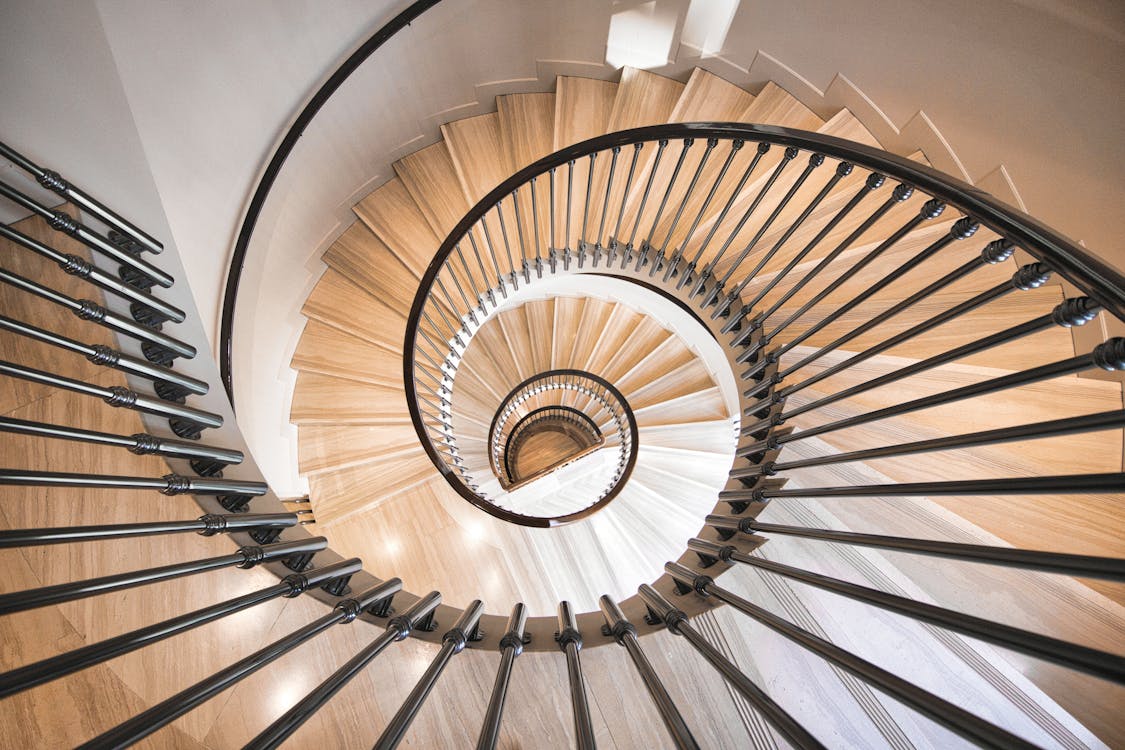
Walk into almost any high-end new build or recently renovated Victorian semi and you’ll spot a staircase with no visible support structure, treads appearing to hover mid-air, the whole thing looking like it shouldn’t quite work but absolutely does. Floating staircases have become the architectural feature people save to their Pinterest boards obsessively, then spend months trying to figure out whether they can actually pull off in their own home.
The appeal isn’t hard to understand. There’s something genuinely dramatic about a staircase that looks like it defies gravity. But beyond the aesthetics, there are practical reasons why so many homeowners are choosing this style over traditional closed-riser designs, and it’s worth getting into the specifics before you start knocking anything down.
What Actually Makes a Staircase “Float”?
The honest answer is that they don’t float at all, which anyone who’s looked at the price of installation already suspected. The treads are typically anchored into a structural wall using steel fixings that are hidden from view, or they’re supported by a central spine that runs beneath them. From the side, you see nothing. From straight on, the effect is genuinely striking.
Timber is the most popular material for the treads themselves, with solid oak being the go-to for most UK renovations. You’ll also see concrete, glass, and even stone used, although each comes with its own installation headaches and cost implications. Glass treads look spectacular in the right setting but show every single footprint, which is either a minor inconvenience or an absolute nightmare depending on how many kids and dogs you have in the house.
The wall the treads anchor into needs to be structurally solid enough to bear the load. If you’ve got a stud partition wall where you’d hoped to position the staircase, that’s going to need reinforcing before any of this can happen. An engineer’s sign-off is usually part of the process, not an optional extra.
The Space Argument Is Actually Legitimate
One of the things people cite most often is how open floating staircases make a hallway feel. With no solid risers and often no bulky side structure, light passes through from one side of the staircase to the other. In a narrow Victorian terrace where the hallway gets almost no natural light, this can make a genuinely noticeable difference. It’s not a magic trick, but it does work.
That said, if you’ve got small children or elderly relatives visiting regularly, the open risers can be a concern. Building regulations in England and Wales require that a 100mm sphere can’t pass through any opening in a domestic staircase, so the gaps between treads need to meet that standard. Most specialist carpenters factor this in as a matter of course, but it’s the sort of thing worth confirming upfront rather than discovering mid-project.
The Cost Conversation Nobody Wants to Have
Right, so the budget. Floating staircases are not cheap, and anyone who’s quoted you one for under £5,000 fitted is either leaving something out or about to cut corners you really don’t want cut. A quality oak floating staircase, professionally designed and installed with all the structural work included, typically starts somewhere around £8,000 to £12,000 for a straightforward single flight. Add a landing, glass balustrades, or anything curved and you’re heading north of that quickly.
People sometimes ask whether it’s worth it compared to a standard staircase replacement. Honestly, if you’re in a house you plan to sell in eighteen months, probably not. But if it’s a home you’re actually living in and you’ve been staring at a tired, cramped staircase for years, the difference it makes to how the whole ground floor feels is significant. It becomes the first thing guests notice, and not in a look-at-them-showing-off way.
Getting the Design Right
The treads themselves need enough depth and width to feel safe underfoot, which is something that occasionally gets sacrificed in the name of aesthetics. A tread that looks impossibly slim in a showroom photograph may not feel particularly reassuring at eleven o’clock at night when you’re half asleep heading to bed. Sixty millimetres of solid oak is about the minimum most reputable carpenters will recommend for domestic use, and forty-five millimetres starts to feel a bit precarious after a while.
Lighting deserves more thought than it usually gets at the planning stage. Recessed LED strips under each tread are almost standard now and they look genuinely good, but the wiring needs planning before the treads go in, not after. It’s one of those details that seems small until you’ve boxed everything out and then realised you forgot it.