
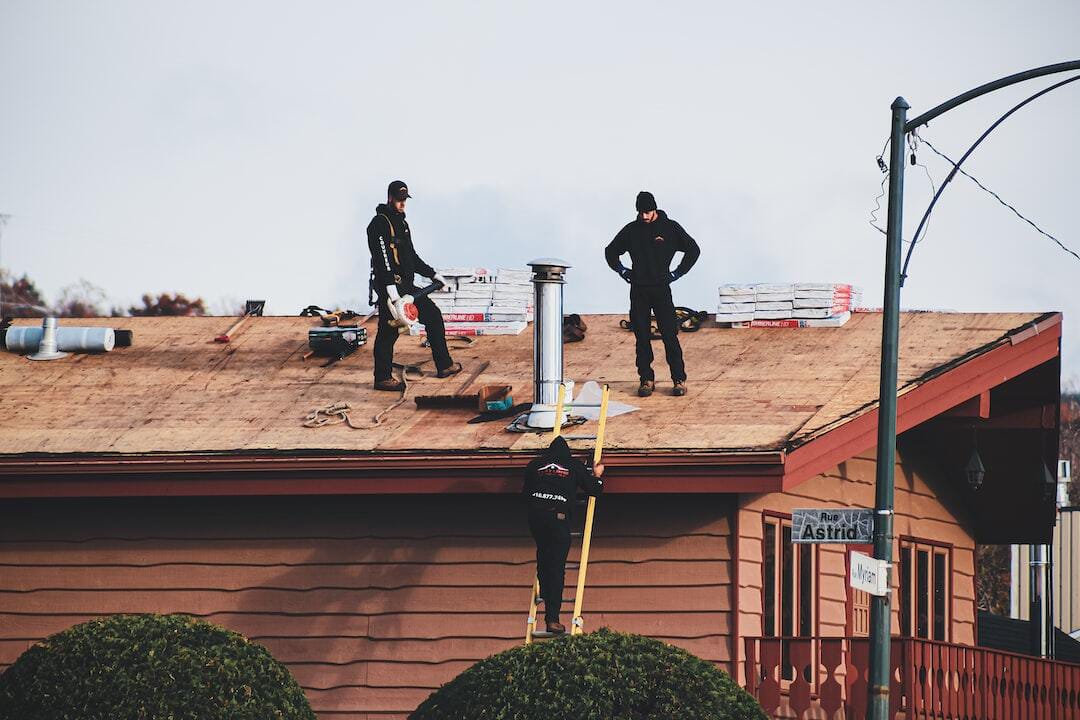
Carpenter bees may seem harmless at first glance, but they can quietly cause damage to key parts of your home’s exterior. Areas like fascia boards, soffits, eaves, and trim are especially vulnerable because they are often made of exposed or painted wood. Many homeowners only notice the problem after visible damage appears, which is why working with a roofing company near Charlotte can help identify early warning signs before repairs become more extensive. Understanding how these bees affect the roofline wood makes it easier to protect your home and avoid unnecessary costs.
Why Roofline Wood Attracts Carpenter Bees
Untreated or aged wood attracts carpenter bees , especially in places with easy access and cover. Because they are elevated, shielded from heavy rain, and frequently less disturbed, roofline elements such as eaves and soffits create ideal conditions. Even painted wood might still look great if the surface starts to deteriorate or crumble over time. These minor defects make it easier for bees to start drilling.
Carpenter bees burrow into wood to build nesting tunnels rather than eat it, as termites do. If the same sites are used year after year, these tunnels could grow over time. The wood’s structure eventually deteriorates as a result of this regular action. Neglecting it could result in noticeable degradation and necessitate more involved repairs.
Early Signs of Carpenter Bee Activity
Long-term harm can be greatly decreased by early detection of carpenter bee activity. One of the most common signs is the appearance of perfectly round holes in wood surfaces. These access points are usually around the size of a fingertip and are often found along fascia boards or under eaves. They may not seem like much at first, but they indicate that tunneling has already begun.
Another hint is the sawdust-like substance found beneath these holes. This debris, called frass, is produced when bees push material out of the tube and dig into the wood. Additionally, you may notice that certain areas on your rooftop have a higher concentration of bees. Knowing these details will enable you to intervene before the damage worsens.
How Damage Can Spread Over Time
A tiny hole in wood can progressively grow into a system of tunnels. These tunnels are frequently extended along the grain by carpenter bees, weakening the interior structure without inflicting obvious harm right away. Boards may become brittle with time, causing warping or splitting. Additionally, these holes may allow moisture in, increasing the risk of deterioration.
The problem can worsen if woodpeckers are drawn to the area in search of larvae. Their pecking can enlarge existing holes and further damage already weakened wood. In cases where structural areas are affected, consulting a roofing company in Charlotte, NC can help assess and address potential exterior damage. Acting early helps prevent these layered issues from becoming more complex and costly to repair.
Practical Ways to Prevent Carpenter Bee Damage
Maintaining the quality of your roofing wood is the first line of defense against carpenter bee damage. The likelihood of infestation and long-term problems can be reduced through routine maintenance and inspection. Larger issues later on can be avoided by concentrating on little changes now.
- Repaint or seal exposed wood to create a protective barrier
- Repair cracks or damaged sections of fascia and soffits promptly
- Use hardwood or treated lumber in areas prone to exposure
- Keep roofline areas clean and free of debris that may attract pests
- Monitor for early signs of drilling during spring and early summer
When to Take Action and Seek Help
It’s critical to act quickly if you notice signs of carpenter bee activity. Larger issues would require expert assistance, while smaller infestations can often be handled with targeted treatments and repairs. If the problem is ignored, structural components may sustain further damage. Early intervention reduces the expense and makes repairs easier to handle.
Experts can determine the extent of the damage and recommend the best course of action. This could entail applying preventive treatments, closing access points, and repairing damaged wood. Having your roofline inspected by a professional guarantees that no undetected damage is missed. It also helps repair the exterior integrity of your house.
Final Thoughts
If left unmanaged, carpenter bees can gradually but seriously harm the roofline’s wood. Homeowners can take proactive measures to safeguard their property by knowing where they target and identifying early warning indicators. Regular maintenance and timely repairs go a long way in preventing long-term issues. When needed, working with a roofing company near Charlotte provides added support in keeping your home strong and well-protected.