
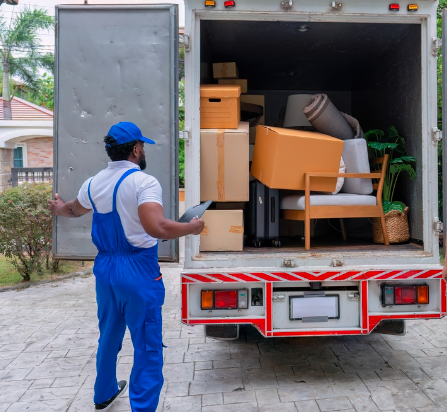
There’s a particular feeling that comes with moving into a new home. The empty rooms, the light hitting walls you haven’t lived with yet, the sense that the space is still deciding what it wants to be. It’s one of the better feelings in life, and it’s worth protecting from the chaos that usually surrounds it. Most of that chaos is avoidable. It just takes a bit of planning before the truck shows up.
The stress of moving rarely comes from the move itself. It comes from not having a plan, from decisions that should have been made two weeks ago suddenly needing an answer right now. A bit of structure early on removes most of that. You don’t need to be a logistical genius. You just need to start earlier than feels necessary and make a few decisions before move day rather than on it.
That applies to the moving help you hire, too. Booking a reliable moving service well in advance means you’re not scrambling at the last minute when weekend slots are gone and prices are higher. The best crews get booked out fast, especially during summer and at the end of the month when most leases turn over. A team that handles your belongings carefully and communicates clearly makes the whole day feel different.
Declutter Before You Pack, Not After
This is the step most people skip, and they regret it every time. Moving is the single best occasion to get rid of things you don’t need, but only if you do it before boxes get sealed. Once something is packed, it tends to travel with you whether it should or not.
Go room by room a few weeks before the move. Three piles: keep, donate, toss. Be honest. If you haven’t used it in a year and it doesn’t have sentimental value, it probably doesn’t need to come with you. Less volume means a faster move, a smaller truck, and less to unpack at the other end.
Furniture is worth thinking about separately. Pieces that don’t suit the new layout or won’t fit through the new doorways are better sold or donated before move day than hauled in and immediately stuck in a corner.
Room-by-Room Packing Works Better Than Open-Ended Packing
The most common packing mistake is treating the whole house as one project. It isn’t. Each room is its own project, and finishing one before starting another keeps things organized and keeps your head clear.
Start with the spaces you use the least: spare bedrooms, storage areas, and the garage. Leave the kitchen, bathroom, and bedroom for last since you need those rooms functional right up until you go. Label every box with the room it belongs in and a short description of what’s inside. Labels on the side of the box, not the top, since boxes stack and you won’t be able to read the tops anyway.
Pack heavy items in small boxes. Books, tools, and anything else dense should never go in a large box. Large boxes are for light, bulky things like bedding, pillows, and towels. It’s a simple rule that saves backs and prevents boxes from collapsing.
Know What the Movers Can’t Take
Professional moving companies operate under federal regulations when crossing state lines. The Federal Motor Carrier Safety Administration has guidelines on what interstate movers are permitted to transport, and there’s a standard list of items that can’t go on a moving truck regardless of distance: propane tanks, paint cans, certain cleaning chemicals, fireworks, and other flammable or hazardous materials.
Check with your moving company ahead of time if you’re unsure about anything. This isn’t something to figure out on moving day when the crew is standing in your driveway.
Sort Out Your Address Change Before You Move
It always gets pushed to the end of the list. Don’t let it. The United States Postal Service suggests filing your change of address at least 2 to 4 weeks before your move date to give mail forwarding enough time to process. Waiting until after the move means a gap where things get sent to your old address and sit there.
Beyond USPS, work through the full list: bank accounts, credit cards, insurance policies, subscriptions, your employer’s HR records, voter registration, and your state’s DMV. It’s a longer list than most people expect, but getting through it once is much better than chasing down missed statements for months.
Set Up Utilities at the New Place Before You Arrive
Nothing makes a first night in a new home worse than no electricity or no running hot water. Contact utility providers at your new address as soon as you have a confirmed move-in date. Gas, electric, water, and internet all need lead time, and some installations require scheduling a window that could be days or weeks out.
While you’re at it, confirm what the new place actually needs. If utilities are included in rent or the building manages certain services, you don’t want to set up duplicate accounts. A quick conversation with the landlord or property manager at the start saves the hassle of untangling it later.
Prepare an Essentials Box
This one detail makes the first night in a new home noticeably more comfortable. Pack a single box or bag with everything you’ll need in the first 24 hours: phone charger, toiletries, a change of clothes, coffee supplies, bedding, any medications, and any documents you’ll need to access immediately.
Keep it with you, not on the truck. Load it last so it comes off first, or take it in your car. There’s nothing worse than knowing exactly what you need and having absolutely no idea which box it’s in.
The Walkthrough Matters at Both Ends
Before you leave your old home, do a final walkthrough. Check every room, every closet, every drawer. Check the attic if there is one. It’s remarkably easy to leave things behind in the chaos of move day.
At the new home, do a walkthrough before unpacking anything. Document the condition of the space with photos. Note any existing damage to walls, floors, or appliances and communicate it to the landlord in writing the same day. This protects your security deposit when it’s time to move out.
The Real Goal Is What Comes After
All the planning, the boxes, the logistics: it’s all in service of something. The moment the truck pulls away and you’re standing in your new space with room to breathe. A plant on the windowsill you haven’t placed yet. Furniture that still needs arranging. That first morning with coffee in a kitchen that’s slowly starting to feel like yours.
The move is one day long. The settling in is everything that follows. Give yourself time to enjoy it. Hang things slowly; rearrange without rushing; let the space tell you what it wants to be. The best part of a home isn’t the day you move in. It’s the week after, when it starts to actually feel like home.