
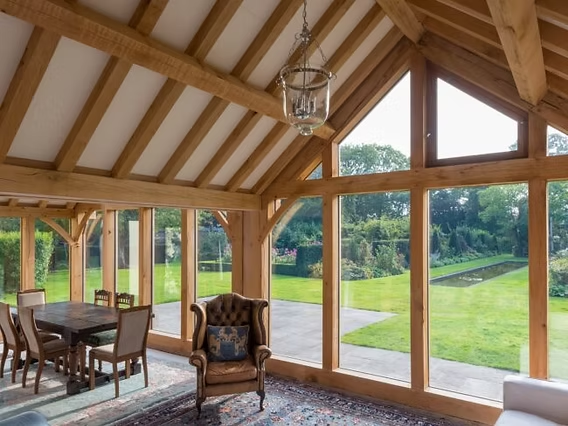
Landscape design relies on materials that shape outdoor spaces and give them lasting character. Among the many options available, beams of oak stand out for their strength, natural beauty, and versatility. Designers frequently choose oak because it blends well with plants, stone, and other natural elements.
As a result, outdoor spaces feel balanced and visually grounded. Oak beams also create a sense of structure that helps organise gardens, patios, and walkways. With thoughtful placement, they turn open areas into clearly defined zones. This article explains how oak beams contribute to both the structure and personality of landscape design.
A Natural Framework for Outdoor Spaces
Oak beams provide a strong framework that helps organise outdoor layouts. Designers use them to outline pathways, frame garden beds, or define seating areas. Oak beams create visible boundaries that guide movement through a landscape. As a result, visitors easily understand how different parts of the garden connect. Oak also carries a warm, earthy appearance that blends with soil, plants, and stone surfaces. The natural grain patterns add texture that complements both traditional and modern landscapes. With these qualities, they act as a reliable structural feature that enhances overall design clarity.
Visual Depth and Texture in the Landscape
Outdoor environments benefit from layers of texture and depth. Oak beams introduce a solid visual element that contrasts beautifully with soft greenery and flowers. This contrast makes garden spaces appear richer and more balanced. The visible grain and natural colour variations add character without overwhelming the surroundings. Over time, oak develops a gentle weathered look that adds further charm. This gradual change creates a landscape that feels mature and well-established. Designers appreciate how oak beams support visual interest while keeping the environment calm and natural.
Durable Support for Outdoor Features
Oak remains one of the most durable hardwoods used in outdoor construction. Its density allows it to withstand pressure, weight, and environmental stress. Because of this strength, oak beams serve as reliable supports for pergolas, raised beds, and retaining edges. Garden structures built with oak maintain their shape for many years. When properly detailed and allowed to move naturally, oak beams can remain stable for many years. With proper design and installation, oak beams perform reliably despite seasonal moisture and temperature changes. Their durability makes them a practical choice for landscape projects that require both stability and longevity.
Defining Garden Zones with Clarity
A well-planned landscape usually includes several functional areas. Oak beams help define these zones in a clear and attractive way. Designers place them to separate patios from planting beds or mark the transition between lawns and pathways. These structural elements guide the eye and create natural divisions within the space. At the same time, the garden remains open and welcoming rather than crowded. They accomplish this balance through their simple yet strong form. The result is a landscape that feels organised without losing its natural charm.
Enhancing Rustic and Contemporary Styles
Oak beams adapt easily to many landscape styles. In rustic gardens, they reinforce a traditional look that pairs well with stone walls and natural pathways. Their rugged texture and warm tone highlight the organic feel of countryside design. Meanwhile, in modern landscapes, they provide contrast against smooth concrete or metal surfaces. This contrast creates visual balance between natural and architectural elements. Designers also use clean cuts and geometric arrangements to match contemporary layouts. Because of this flexibility, oak beams suit a wide range of outdoor aesthetics.
Oak beams bring both strength and personality to landscape design. Their solid structure helps organise outdoor spaces and support important garden features. At the same time, the natural beauty of oak adds warmth, texture, and visual depth. Designers value this combination of durability and aesthetic appeal.