
A comfortable home is more than just a stylish property. Comfort influences not only how you move through each room but also how you sleep, work, socialise, and unwind. By intentionally designing spaces that combine functionality with warmth, you create an environment that supports your physical well-being, reduces stress, and enhances overall happiness.
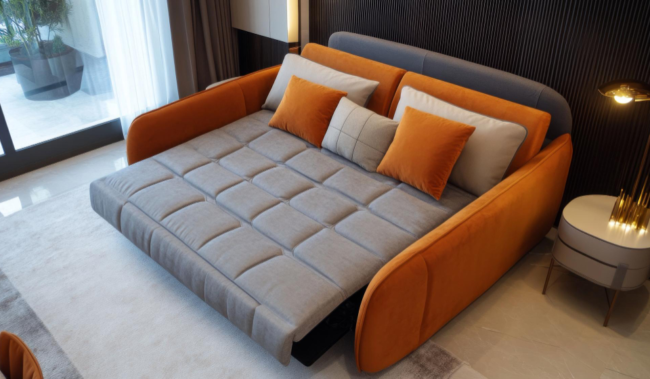
Choosing versatile furniture, such as sofa beds in Perth, can help maximise comfort in living areas while providing practical solutions for guests or multi-purpose rooms. By selecting pieces that suit both your lifestyle and your space, you can make each room adaptable, inviting, and effortlessly comfortable.
Things to Consider Before Maximising Comfort in Every Room
Understand the Purpose of Each Room
Comfort starts with understanding how each space is used. Each room has a different function and requires specific considerations to make it both practical and inviting.
- Living Rooms: Living rooms are social hubs, so seating should be flexible and encourage conversation.
- Bedrooms: Bedrooms are for rest, making supportive bedding and soothing colours essential.
- Kitchens: Kitchens are high-activity areas, so layout, lighting and ergonomics should prioritise efficiency.
- Bathrooms: Bathrooms are private retreats, where warmth, soft textiles and good ventilation are key.
When you design with purpose in mind, comfort is built into the space rather than added later, making each room functional, enjoyable, and tailored to your lifestyle.
Choose Furniture That Supports Comfort
The right furniture can dramatically increase comfort in a room. Opt for pieces that combine support with softness. In living rooms, sofa beds and chairs with deep seats, high backs, and quality cushioning create a welcoming atmosphere. These versatile pieces provide both seating and sleeping options for guests without compromising style or comfort.
In bedrooms, bed frames and mattresses should support your sleeping style and be paired with pillows that maintain neck alignment. A sturdy bed frame with a mattress adds structure to the room while contributing to a restful sleep environment.
Consider multifunctional furniture that improves both convenience and comfort. Storage ottomans, armchairs, and adjustable desks all help create rooms that are both practical and relaxing, allowing each space to be tailored to your lifestyle needs.
Prioritise Lighting
Lighting has a profound effect on comfort and mood. Harsh overhead lights can make a room feel clinical, while insufficient lighting can cause eye strain and fatigue.
Aim for layered lighting in every room. Combine ambient lighting for overall brightness, task lighting for specific activities and accent lighting to create warmth and depth.
For example:
- Use table lamps in living areas to create a relaxed evening atmosphere
- Install bedside lamps for comfortable reading in bedrooms
- Add under-cabinet lighting in kitchens for safer food preparation
- Incorporate dimmers where possible to adjust brightness
Maximising natural light is equally important. Keep window coverings light and airy during the day to allow sunshine in while maintaining privacy.
Optimise Storage and Organisation
Clutter can create stress and make rooms feel uncomfortable. Incorporating effective storage solutions keeps items organised, accessible, and ensures spaces feel open and inviting. Thoughtful storage not only improves functionality but also contributes to a sense of calm throughout your home.
Key Strategies for Effective Storage:
- Use Shelves and Sideboards: Freestanding or wall-mounted shelves and sideboards make the most of available space while keeping items neatly stored and easily accessible.
- Choose Multifunctional Furniture: Items such as ottomans with hidden storage, beds with drawers, and sofa beds with compartments combine style with practicality.
- Organise Dressers Efficiently: In bedrooms, use dividers, small trays, and labelled boxes within dressers to keep clothing and accessories easy to find, reducing morning stress and keeping the space tidy.
- Label and Categorise: Clearly labelled storage solutions make it easy to find items quickly and maintain order.
A tidy and well-organised room instantly feels more comfortable and relaxing. By integrating storage thoughtfully, each space becomes functional, visually appealing, and stress-free.
Invest in Quality Furniture
One of the most effective ways to maximise comfort in every room is by investing in quality furniture. High-quality pieces provide more than just style. They support your body, enhance relaxation, and contribute to long-term well-being.
- Durable Materials Improve Longevity: Solid frames, high-density foam cushions, and quality upholstery may cost more initially, but they maintain their shape and comfort for years, preventing sagging or wear that can reduce usability.
- Support Multi-Purpose Living: For rooms with multiple functions, consider versatile furniture such as sofa beds or beds with storage drawers. These options combine comfort with practicality, allowing each room to serve multiple needs without sacrificing space or style.
- Enhance Relaxation and Aesthetics: Quality furniture does not just feel good. It sets the tone of the room. A well-constructed armchair, a sturdy bed frame, or a statement sofa creates an inviting environment that encourages you to unwind.
By prioritising quality furniture in every room, you create spaces that are not only visually appealing but also genuinely comfortable, functional, and supportive for daily life.
Conclusion
Maximising comfort in every room requires a combination of thoughtful design, practical furniture choices, effective storage solutions, and attention to lighting and air quality. Each space should reflect its purpose, whether it is for rest, socialising, cooking, or self-care. Investing in quality furniture, arranging rooms for functionality, and incorporating personal touches all contribute to a home that is both inviting and practical.
Comfort is achieved when every room feels tailored to lifestyle needs while remaining adaptable, functional, and welcoming. Small adjustments can make a significant difference, creating an environment where living, working, and relaxing feel effortless and enjoyable.
Frequently Asked Questions
What is the first step to maximise comfort in a home?
Understanding the purpose of each room is crucial. Designing spaces with their specific functions in mind ensures they are both practical and inviting.
How does furniture impact comfort?
Choosing supportive and versatile furniture enhances both physical comfort and the usability of a room. High-quality pieces maintain shape and provide ergonomic support, creating a relaxing environment.
Why is lighting important for comfort?
Lighting influences mood, reduces eye strain, and highlights the functionality of a space. It helps create a balanced and comfortable environment.
How can storage improve comfort?
Effective storage reduces clutter, making rooms feel more spacious and organised. Easy access to everyday items eliminates stress and promotes a calm, welcoming atmosphere.
Can small adjustments make a difference in comfort?
Yes. Simple actions such as optimising natural light, adding cushions and throws, rearranging furniture for better flow, or introducing indoor plants can significantly enhance comfort in any room.