
Trees add beauty, shade, and value to a property, but they can also become dangerous without much warning. Storms, age, disease, and ground changes can turn a once healthy tree into a serious risk. Many homeowners do not realize how quickly a tree issue can turn into an emergency.
Knowing the warning signs can help protect your home, your family, and anyone nearby. Read on to learn when a tree problem can no longer wait and why fast action matters.
A Tree Is Leaning More Than Before
A slight lean in a tree may seem harmless, especially if it has always grown that way. Trouble begins when the lean suddenly increases. This often means the roots are failing or the soil beneath has shifted.
After heavy rain or strong winds, leaning trees can fall without notice. When a tree begins to tilt toward a home, driveway, or power line, it becomes an immediate safety concern.
Large Cracks or Splits in the Trunk
Visible cracks in a tree trunk are a serious warning sign. These splits weaken the structure and reduce the tree’s ability to support its own weight.
Cracks may form after storms or due to internal decay. If the split appears deep or runs vertically along the trunk, the tree could break apart at any time. This situation often requires urgent professional attention.
Hanging or Broken Limbs Over Structures
Broken branches that remain stuck in the tree are extremely dangerous. These hanging limbs can fall without warning, especially during wind or rain. If heavy branches are positioned over roofs, vehicles, sidewalks, or play areas, the risk increases.
Even a single falling limb can cause major damage or injury. This is one of the clearest signs that emergency tree services are needed.
Roots Lifting From the Ground
Healthy trees have stable roots hidden beneath the soil. When roots begin lifting or breaking through the ground, it often means the tree is no longer secure. Exposed roots can signal poor anchoring or root rot.
In severe cases, you may see the soil rising on one side of the tree. This condition means the tree could topple with little force, making immediate removal critical.
Trees Damaged by Severe Weather
Storms are a leading cause of tree emergencies. High winds, lightning, ice, and heavy rain can weaken even strong trees. A tree that looks fine after a storm may still have internal damage. Split branches, stripped bark, or sudden leaning after severe weather should never be ignored.
Many property owners seek help from 24/7 emergency tree removal services when storm damage creates unsafe conditions that cannot wait for routine care.
Signs of Internal Decay or Disease
Not all dangerous tree problems are obvious from the outside. Fungal growth, hollow sections, or soft wood are signs of internal decay. A tree may still look green and full while being weak inside.
Diseased trees lose strength over time and can fail suddenly. If decay affects the trunk or major limbs, the risk of collapse increases significantly.
Trees Touching or Threatening Power Lines
Trees growing close to power lines create serious hazards. Branches that rub against power lines can cause outages, fires, or electrocution risks. During storms, limbs can snap and pull lines down.
Any tree that is contacting or dangerously close to electrical lines should be treated as an emergency. This situation requires trained professionals who understand safety protocols and proper removal methods.
Sudden Changes in Tree Appearance
Rapid changes in how a tree looks can signal trouble. Loss of leaves outside the normal season, dead branches appearing quickly, or bark falling off are all warning signs.
These changes may indicate stress, disease, or structural weakness. When changes happen fast, the risk of failure often increases, especially if combined with other visible damage.
Trees Near High Traffic Areas
Trees located near roads, sidewalks, parking areas, or entrances pose higher risks when damaged. Even minor failures in these locations can lead to accidents or injuries.
A compromised tree near frequent foot or vehicle traffic should be treated with urgency. Public safety becomes a priority in these situations, making immediate action essential.
Why Waiting Can Make the Problem Worse
Delaying tree removal during an emergency often leads to greater damage and higher costs. A weakened tree rarely repairs itself. Instead, conditions usually worsen with time and weather exposure.
What starts as a manageable issue can quickly become a dangerous and expensive problem. Acting early can prevent property damage, injury, and unnecessary stress.
How Professionals Handle Emergency Tree Removal
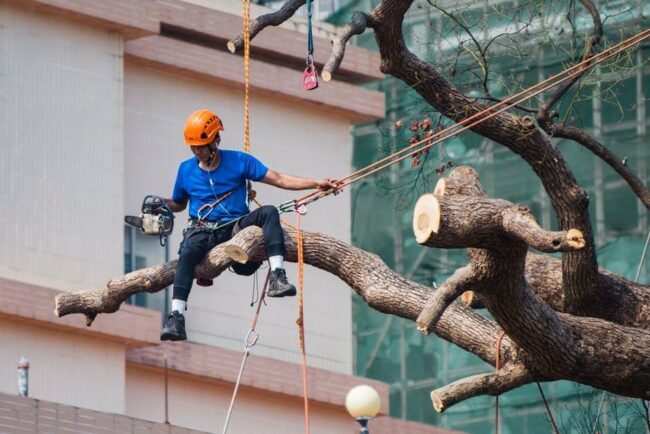
Emergency tree removal requires skill, experience, and the right equipment. Professionals assess the risk, secure the area, and remove the tree safely.
They understand how to manage unstable trees without causing further damage. This process protects nearby structures and ensures the job is done correctly under pressure.
Knowing When Immediate Action Is Necessary
Not every tree problem is an emergency, but certain signs should never be ignored. Leaning trees, major cracks, hanging limbs, and storm damage all point to urgent risk. Trusting your instincts and seeking expert help can make the difference between prevention and disaster.
Unusual Sounds or Movement During Wind
Trees in trouble often give warning signs during windy conditions. Creaking, cracking, or sudden movement that was not present before can signal internal weakness.
If a tree sways more than usual or makes loud sounds when the wind picks up, it may be close to failure. These signs should be taken seriously, as the tree could break or fall with little notice.
Soil Cracks or Sinking Around the Base
Changes in the ground around a tree can signal serious trouble below the surface. Cracks in the soil or areas that appear to sink near the base may mean the root system is failing.
When the soil can no longer hold the roots firmly, the tree becomes unstable and may fall suddenly. This condition often appears after heavy rain or long periods of drought and should be treated as an urgent safety concern.
Protecting Your Property Starts With Awareness
Trees are a valuable part of any landscape, but safety must come first. Recognizing the signs that call for emergency tree removal helps you act before serious harm occurs.
When a tree shows clear danger, quick and informed action protects lives, property, and peace of mind. Being prepared and aware ensures that when emergencies arise, you know exactly what to do.
For more on this content, visit the rest of our blog!