

Renovating a home is exciting. New kitchen. Bigger windows. Better layout. More light. But it’s also risky.
Many homeowners approve plans based on drawings they don’t fully understand. Later, during construction, something feels “off.” The room looks smaller than expected. The windows don’t bring in enough light. The kitchen island blocks movement. Changes are made mid-project — and those changes cost money.
That’s where 3D home visualization makes a real difference. It helps homeowners clearly see their project before construction begins — making decisions easier and reducing costly mistakes.
This guide explains how to use 3D visuals in a practical way — whether you’re planning a remodel, applying for approvals, or preparing to market your property.
Why Renovation Mistakes Happen
Most renovation problems happen for three simple reasons:
- 2D plans are hard to interpret
- Homeowners and contractors picture things differently
- Design decisions are rushed to stay on schedule
A floor plan might look clear to an architect. But to a homeowner? It’s just lines and measurements. You can’t easily imagine ceiling height, lighting mood, or how materials will feel together.
That gap between imagination and reality is where costly mistakes begin.
How 3D Visuals Change the Decision Process
3D visuals turn abstract plans into realistic images. You don’t just see walls and numbers — you see textures, shadows, furniture placement, and proportions.
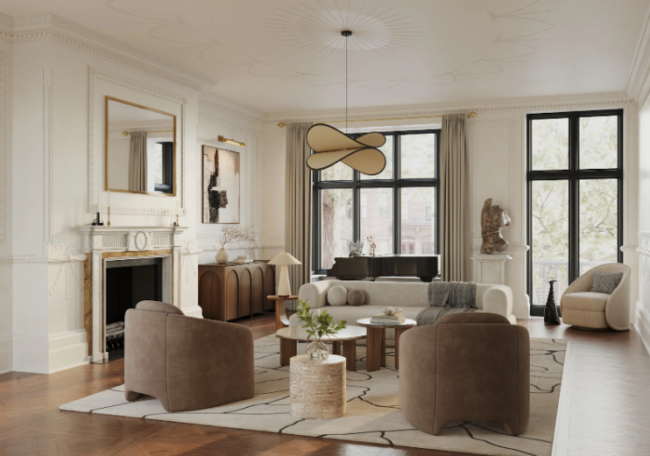
When reviewing professional 3d visualisation services for architecture or renovation projects — homeowners gain clarity before construction begins. These visuals help:
- Reduce change orders during construction
- Speed up approval decisions
- Align expectations between homeowner and contractor
- Clarify materials, finishes, and lighting choices
Instead of saying, “I think it will look fine,” you can say, “Yes, this is exactly what I want.”.. That confidence matters.
Practical Renovation Mistakes 3D Visualisation Prevents
Let’s discuss in practical examples.
1. Incorrect Room Proportions
A kitchen might look spacious on paper. But once the cabinets are installed, the walkway feels tight. With 3D visuals, you immediately notice spacing issues before construction begins.
2. Poor Lighting Decisions
Lighting affects mood, comfort, and resale value. In 2D drawings, lighting placement is often just symbols.. In 3D renderings, you can see how daylight enters the room — how pendant lights glow at night, and whether shadows make the space feel dark.
3. Material Mismatch
That gray tile you loved online might clash with your cabinets. Wood tones might compete instead of complementing each other. Seeing materials together in realistic 3D views helps you adjust early, not after installation.
Homeowner Checklist: When to Use 3D Visualisation
If you’re planning a renovation — use this simple checklist:
- Major layout changes (moving walls — extending rooms)
- Kitchen or bathroom remodel
- Exterior redesign or façade update
- Planning permission or approval submission
- Real estate marketing before construction
- Comparing two design options
If you answered “yes” to even one of these, 3D visuals can protect your budget and reduce stress.
Mini Example: Before & After Decision
Before 3D Visuals
A homeowner plans to extend their kitchen into the garden. On paper, the layout looks fine. After construction starts — they realize the ceiling feels too low and the windows don’t bring in enough light.
Fixing this requires structural adjustments. Cost increases. Stress increases.
After Using 3D Visualisation
Another homeowner reviews a 3D render before approving the build. They notice the ceiling height feels tight. The architect adjusts the design digitally. Larger windows are added in the render.
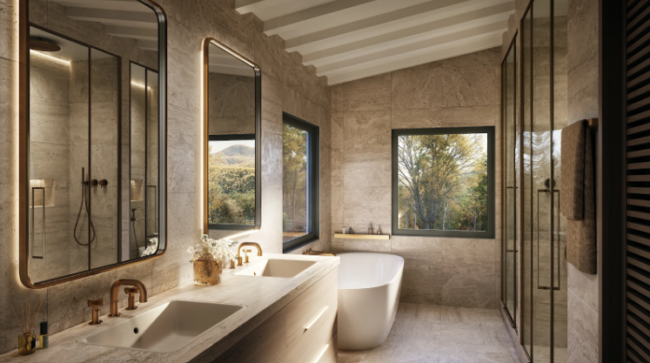
No construction delays. No unexpected redesign costs. No regret. That’s the power of seeing first and building second.
How 3D Visualisation Speeds Approvals
If your renovation requires local authority approval — visuals can help decision-makers understand your proposal quickly.
Instead of reviewing technical drawings alone, planning officers see realistic representations of:
- Building height
- Exterior materials
- Shadow impact
- Street integration
Clear visuals reduce back-and-forth revisions. Fewer revisions mean faster timelines.
It’s Not Just for Large Projects
Some homeowners think 3D visualisation is only for luxury homes or large architectural builds. That’s not true.
Even small projects – like remodeling a bathroom or updating a façade — benefit from visual clarity. In fact, smaller budgets often need clearer decisions because there’s less room for error.
When changes happen late in construction, costs increase fast. Prevention is cheaper than correction.
FAQs
Q. Is 3D visualisation expensive for homeowners?
Costs vary depending on project size and detail. However, compared to the expense of construction changes, visualisation is often a cost-saving step.
Q. Will it guarantee planning approval?
Not automatically. But it improves clarity and helps authorities better understand your proposal.
Q. Can I request changes after seeing the first version?
Yes. Most providers allow revisions so you can refine materials, colors, or layout details.
Q. Is it useful for small renovations?
Yes. Even small kitchen, bathroom, or exterior updates benefit from clear visual planning.
Q. Is it useful for interior renovations only?
No. It works for both interiors and exteriors — including landscaping and extensions.
Q. Does it replace architectural drawings?
No. It complements them. Drawings show technical details — 3D visuals show how everything will actually look.
Final Thoughts
Renovation decisions shouldn’t feel like guesswork. When you rely only on 2D drawings, you imagine the outcome. When you use 3D visualisation, you evaluate the outcome.
That difference is powerful. You reduce stress. You avoid change orders. You make faster approvals. And most importantly, you build with confidence — not uncertainty.
Before committing your budget to walls, materials, and labor — make sure you can truly see what you’re building.
Sometimes, the smartest renovation decision is simply choosing to visualize it first.