
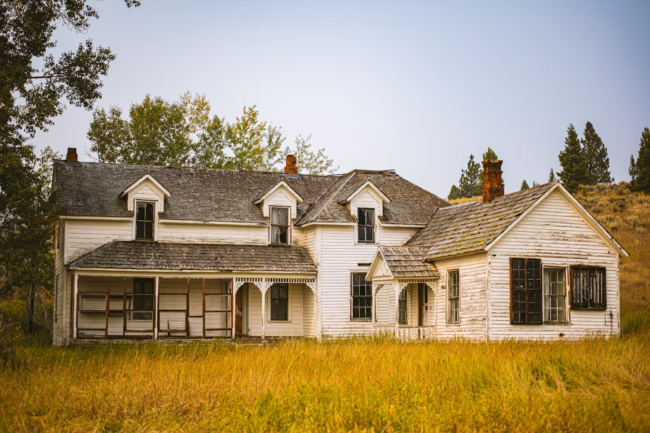
The reason why home is where the heart is is that the structure is meant to be a thriving, living organism. Just as an organism has systems that need proper care and maintenance, so does your home. Its surroundings must support it in a way that allows the property to age gracefully.
The truth is that certain outdoor and indoor features can cause a home to age prematurely. In this article, we will focus on three outdoor features that wear down a property faster than expected. They are common but often overlooked until the last minute, given how slowly they surface.
Understanding these factors can help you take the next step of practical precautions. Keep reading to learn what it takes to help your home age on schedule.
Overgrown Landscaping That Traps Moisture Near Structures
Plants and shrubs look and feel great when they stay within their intended size. Untamed nature is for the wild, not the home’s front porch or backyard. Besides looking unkempt, overgrown landscaping accelerates the deterioration of a home’s exterior materials.
For instance, shrubs and vines growing too close to a home’s foundation trap moisture. Since this happens against surfaces that should remain dry, prolonged dampness weakens building materials and invites mold.
In a recent Hippo Housepower Report, 41% of homeowners stated that they experienced non-flood water damage last year. 21% also reported flood-related damage, indicating how widespread moisture issues have become. Indirectly and with time, overgrown landscaping can cause long-term material breakdown.
Let’s look at how the home ages prematurely as a result:
- Paint and finish peel sooner because moisture repeatedly penetrates protective layers.
- Wood components soften and rot, which shortens their lifespan.
- Mold and mildew speed up decay that might otherwise take years to develop.
- Hidden moisture damage often worsens gradually, so the home already looks older than it is by the time the issue is visible.
To help your home age on schedule, maintain proper clearance around it. Prune vines and shrubs regularly with a clear structure in mind. Also, control moisture at the ground level by choosing foundation-friendly, shallow-rooted plants.
Mature Trees Stressed By Severe Weather
Mature trees, with their towering height and far-reaching branches/roots, often become a home’s outdoor focal point. They offer shade, character, and a natural landscaping balance. However, constant exposure to high winds and storms weakens their structural integrity. It leads to risks that homeowners don’t truly factor in.
This is especially relevant in regions like Northwest Arkansas (NWA), where multiple tornadoes and strong wind events have occurred. In April 2025, a tornado was tracked through Benton County, uprooting and snapping numerous tree limbs. Even some home roofs were damaged as the tornado passed by.
Such weather patterns illustrate how repeated exposure to wind and hail forces common to the Ozark region can stress even healthy trees. As Spira Tree Care shares, every tree is unique and presents its own set of challenges. This makes it important for homeowners to assess their health and potential risks.
When large or mature trees get stressed, the problems can creep slowly, as follows:
- Roots become destabilized, making trees more likely to shift or uproot.
- Branches weaken and crack, increasing the risk of falling limbs.
- Storm debris accumulates on roofs and gutters, thereby causing damage and drainage problems.
- Soil displacement near the foundation occurs.
The impact grows so subtly that homeowners may not notice it until the strain causes visible wear. As mentioned above, dense tree coverage and frequent storm activity call for proactive solutions like tree removal in NWA. This helps protect roofs, foundations, and other vulnerable parts of the property.
Even before this step, regular tree health assessments and trimming help reduce stress. Together, they preserve both the beauty and structural integrity of the landscape.
Hardscaping That Disrupts Natural Drainage
Hardscaping elements, such as patios and walkways, are meant to enhance a yard’s functionality. However, poorly designed elements tend to redirect water towards the home. This accelerates structural wear and exterior aging.
Essentially, water that pools near the home’s foundation and walls creates more than temporary puddles. It can compromise structural integrity by penetrating building materials over time.
A 2024 study digs deeper into this mechanism. It shared that moisture that repeatedly interacts with porous surfaces like wood or concrete compromises the microstructure and speeds up deterioration. Hardscaping that interferes with natural drainage creates the exact conditions that the study identified as damaging.
How? Well, let’s look at the common ways in which hardscaping accelerates aging:
- Patios or walkways sloping towards the house cause repeated moisture exposure.
- Driveways and retaining walls may redirect water toward foundations.
- Soil compaction or impermeable surfaces can prevent water absorption and proper runoff.
The effects are usually cumulative, which means foundation cracking or wood decay all happen faster than they would under proper drainage. It’s important to choose water-friendly hardscaping elements that are permeable and sloped away from the house. Regular inspection is also a must, as it will help address any cracks before moisture penetrates.
Materials and maintenance go a long way in protecting your home. Equally important is understanding how the environment interacts with your property over time. Small design choices and awareness of local weather patterns can make a huge difference in this regard.
Proactive measures can turn the same vulnerable outdoor features into a secret fortress. So, invest in intentional, smarter landscaping and strategic tree care. That way, you will preserve both the beauty and the value of your property.